1. Belt and Road Initiative (BRI), earlier known as One Belt One Road (OBOR), was launched by China in 2013.
2. BRI was championed by Chinese President Xi Jinping as a global infrastructure and connectivity strategy.
More DetailsBest UPSC and MPPSC IAS Coaching Classes in Gwalior
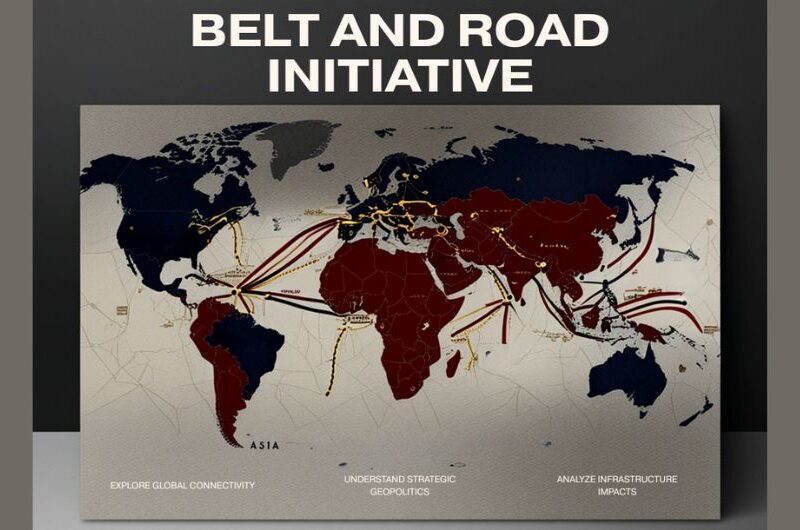
1. Belt and Road Initiative (BRI), earlier known as One Belt One Road (OBOR), was launched by China in 2013.
2. BRI was championed by Chinese President Xi Jinping as a global infrastructure and connectivity strategy.
More Details
1. India–Vietnam relations were upgraded to an Enhanced Comprehensive Strategic Partnership during Vietnamese President To Lam’s state visit to India in May 2026.
2. India and Vietnam share civilizational ties spanning more than 2,000 years, influenced by Buddhism and the Hindu-inspired Cham civilization.
More Details
1. The Third India–Nordic Summit was held in Oslo on 19 May 2026 to strengthen cooperation in green technology, innovation, trade, and sustainable development.
2. India and the Nordic countries launched their multidimensional partnership during the First India–Nordic Summit held in 2018.
More Details
1. Prime Minister Narendra Modi visited the United Arab Emirates on 15 May 2026 to strengthen cooperation in energy, defence, technology, connectivity, investment, and skill development.
2.India and the UAE established formal diplomatic relations in 1972 with embassies later opened in Abu Dhabi and New Delhi.
More Details
1. In 2025, the Korean Peninsula experienced major political and strategic changes marked by instability in South Korea and deepening inter-Korean hostility.
2. Former South Korean President Yoon Suk Yeol was impeached and formally removed from office by the Constitutional Court on 4 April 2025.
More Details
1. In 2025, Japan faced persistent inflation, a weakened yen, leadership instability, and rising regional security tensions linked to China and Taiwan.
2. Prime Minister Shigeru Ishiba resigned on 7 September 2025 after electoral setbacks and political criticism over tariff negotiations with the United States.
More Details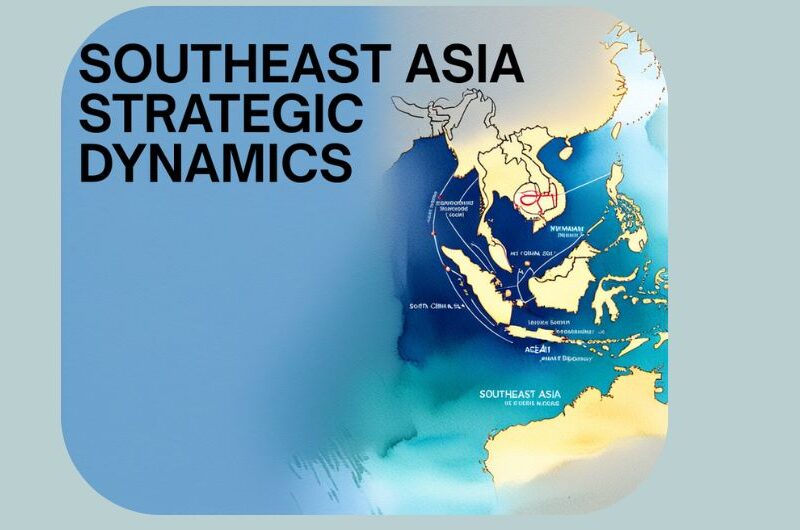
1. In 2025, Southeast Asia faced political transitions, economic pressures, and security challenges amid growing US–China strategic rivalry.
2. ASEAN centrality faced increasing pressure due to China’s assertiveness in the South China Sea, instability in Myanmar, and Cambodia–Thailand border tensions.
More Details
1. In 2025, the Indo-Pacific witnessed increasing strategic competition and a shift from broad multilateralism toward minilateral and issue-based coalitions.
2. Regional states increasingly focused on functional cooperation in areas such as maritime domain awareness, semiconductor supply chains, logistics interoperability, and undersea infrastructure protection.
More Details
1. In 2025, West Asia experienced major instability due to the Gaza War, the Iran–Israel conflict, and the collapse of the Assad regime in Syria.
2. The Gaza War created a severe humanitarian crisis, with more than 66,000 deaths, around two-thirds of whom were civilians.
More Details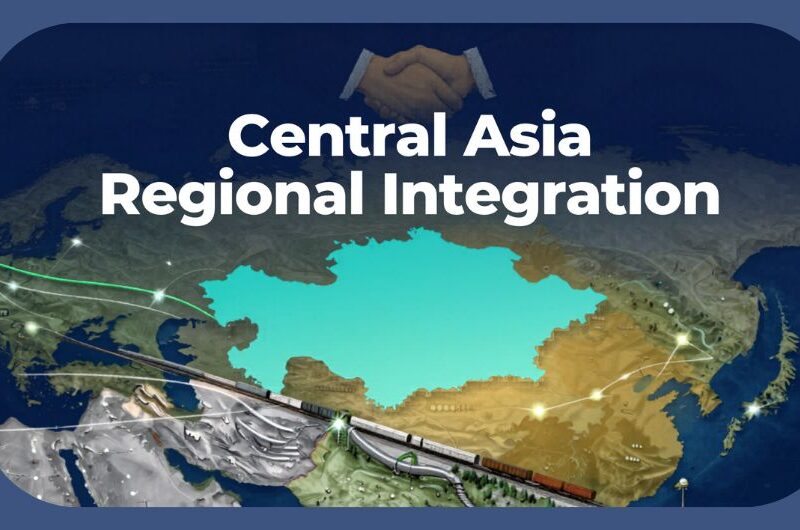
1. In 2025, Central Asian countries strengthened regional cooperation, economic diversification, and geopolitical balancing while emerging as a major Eurasian transit and energy hub.
2. The region continued following an intensified multi-vector foreign policy in 2025, balancing relations with Russia, China, the United States, the European Union, and other partners.
More Details