Best UPSC and MPPSC IAS Coaching Classes in Gwalior

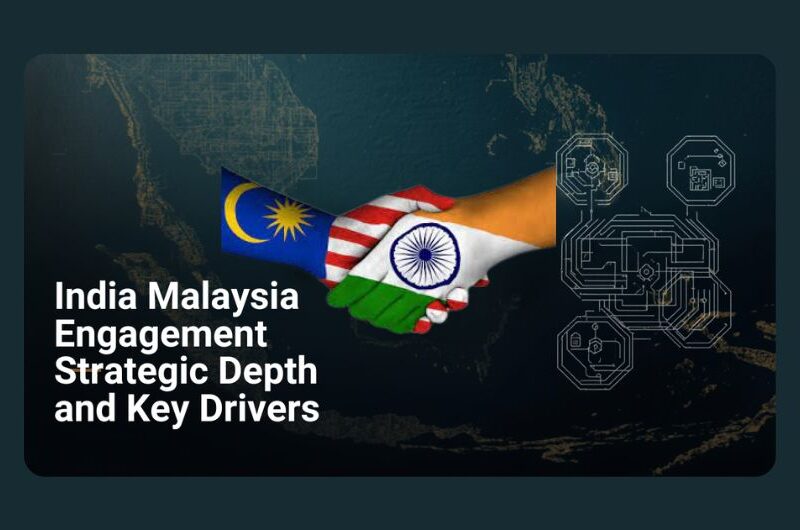
India Malaysia Engagement Strategic Depth and Key Drivers

1. On 8 February 2026, Prime Minister Narendra Modi completed a two-day official Malaysia visit, closely reinforcing the Comprehensive Strategic Partnership formed in 2024 with Prime Minister Anwar Ibrahim.

2. India frames Malaysia ties through Act East Policy, Indo-Pacific Vision, and MAHASAGAR Vision (Mutual and Holistic Advancement for Security and Growth Across Regions), highlighting maritime neighbour synergy overall.

More Details

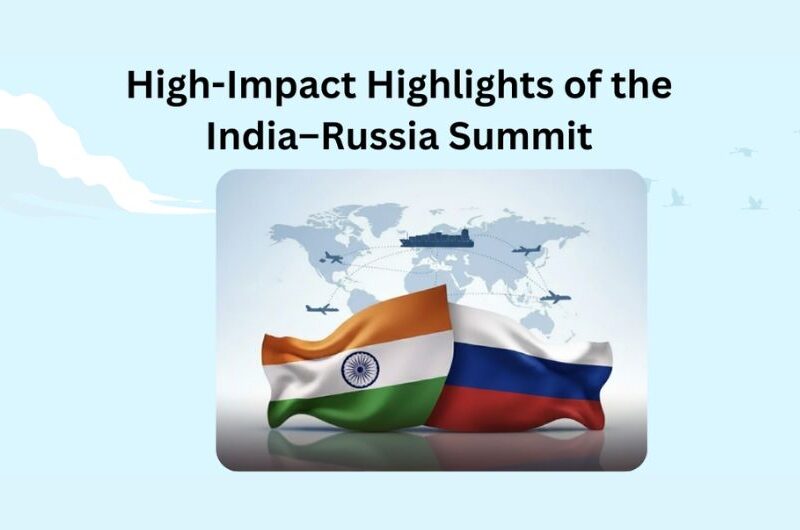
High-Impact Highlights of the India–Russia Summit

1. Summit held in New Delhi on 4–5 December 2025 reaffirmed India–Russia ties amid Ukraine talks and United States pressure on Russian crude purchases, emphasising strategic autonomy and partnerships.

2. Two-way trade in 2024–25 reached 68.69 billion United States dollars (USD): Russian exports 63.3 billion USD, Indian exports 4.8 billion USD, highlighting a persistent deficit needing diversification significantly.

More Details

Bangladesh–Pakistan Relations, Ideological Shifts, and Security–Economy Risks

1. In 1974, Bangladesh and Pakistan established diplomatic relations under Sheikh Mujibur Rahman, despite discomfort among liberation supporters and war survivors, prioritising state interests, recognition, and stability.
2. From 1974 through 2025, relations persisted despite political upheavals; the Awami League governed roughly two decades, yet ties were never severed, indicating institutional continuity in Dhaka.

More Details

India Hosts UNESCO’s 20th ICH Session

India will host the 20th session of the UNESCO Intergovernmental Committee for Safeguarding of the Intangible Cultural Heritage from 8 to 13 December 2025 at the Red Fort in New Delhi. This is the first time the session will be held in India, and the event aligns with the twentieth anniversary of India’s ratification of the 2003 Convention. The venue, a UNESCO World Heritage Site, symbolically brings together tangible and intangible heritage.

The 2003 Convention, adopted during UNESCO’s 32nd General Conference in Paris, was established to address global concerns about the vulnerability of living cultural traditions under pressures such as globalisation, rapid social change and limited resources. The Convention recognises that communities, including indigenous groups and traditional practitioners, play the central role in preserving and transmitting intangible heritage. It seeks to safeguard practices, rituals, performing arts, festive events, craftsmanship, oral traditions and knowledge systems that shape cultural identity.

More Details

Free IAS Guidance
Start Your Journey Today 🇮🇳

Fill out the form below, and we will be in touch shortly.