1. India’s nuclear power programme began commercial operation with the Tarapur Atomic Power Station in 1969.
2. India operates 24 nuclear power reactors at seven sites, with a total installed capacity of 8.78 gigawatts (GW).
More DetailsBest UPSC and MPPSC IAS Coaching Classes in Gwalior
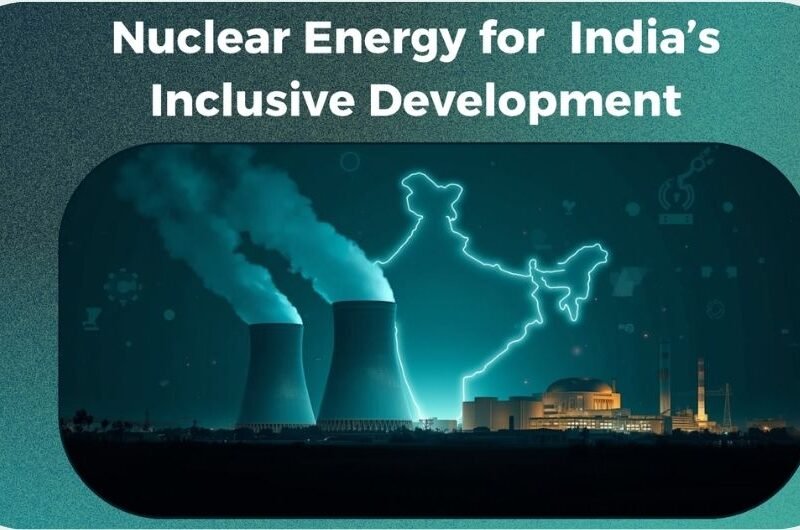
1. India’s nuclear power programme began commercial operation with the Tarapur Atomic Power Station in 1969.
2. India operates 24 nuclear power reactors at seven sites, with a total installed capacity of 8.78 gigawatts (GW).
More Details
Key Takeaways
India targets 5 MMT of Green Hydrogen production annually by 2030.
A port-based Green Hydrogen pilot has been commissioned at V.O. Chidambaranar Port, and Deendayal Port Authority, Kandla has commissioned a megawatt-scale, indigenous Green Hydrogen Facility
More Details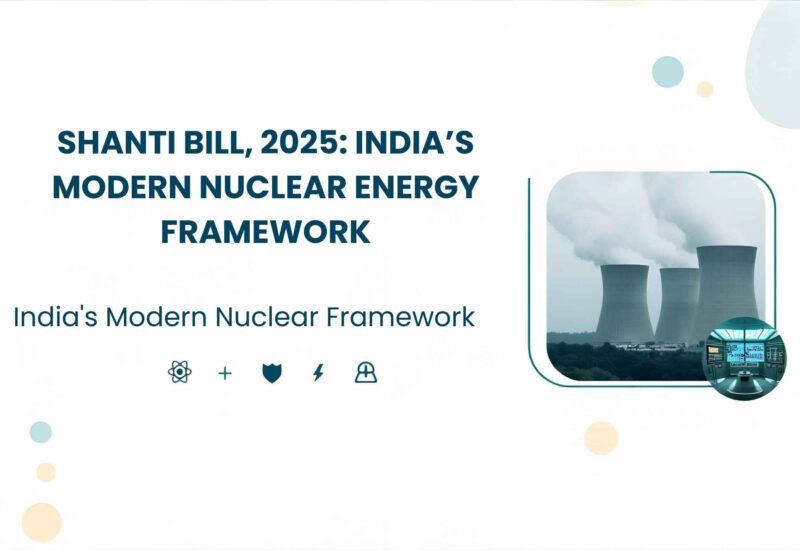
Overview of Nuclear Energy
Nuclear energy is generated through controlled atomic reactions, primarily nuclear fission, which releases heat used to produce electricity. This process generates large-scale power without emitting greenhouse gases, making it a dependable and low-carbon energy source that complements intermittent renewables such as solar and wind, while ensuring base-load electricity supply.
More Details