Best UPSC and MPPSC IAS Coaching Classes in Gwalior

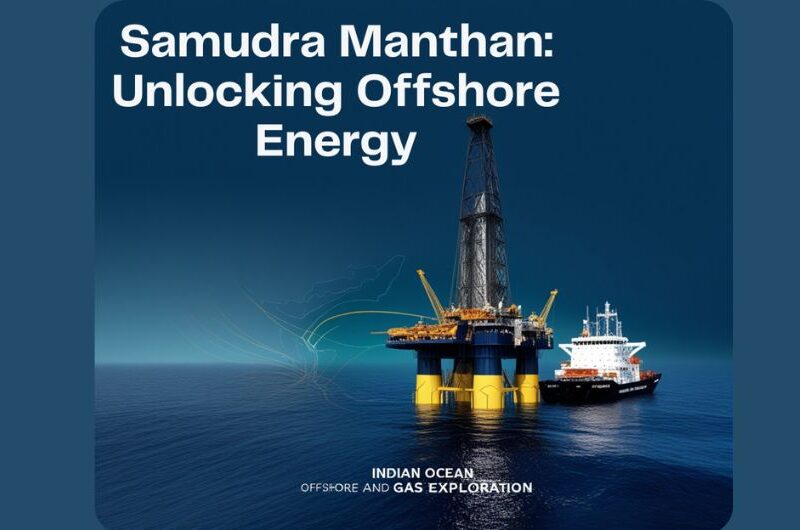
Samudra Manthan: Unlocking Offshore Energy

1. Samudra Manthan – National Offshore Exploration Scheme was approved on 31 July 2026 with a Phase-I outlay of ₹84,084 crore for the period up to FY 2030–31.

2. The scheme aims to unlock India’s offshore hydrocarbon potential by promoting exploration, modern technology, shared infrastructure, and domestic manufacturing.

More Details

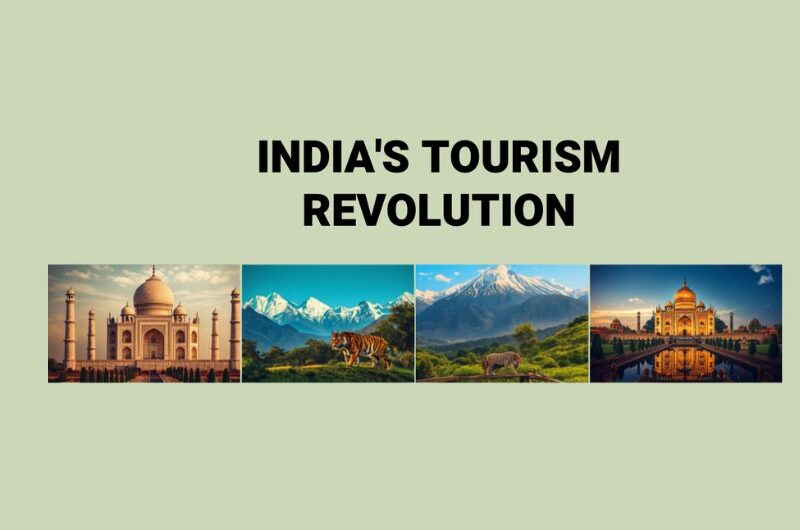
India’s Tourism Revolution

1. India recorded 2.9 billion domestic tourist visits in 2024, surpassing pre-pandemic levels and reflecting strong growth in domestic tourism.

2. Around 2.02 crore International Tourist Arrivals (ITAs) were recorded in 2025, indicating continued recovery and expansion of inbound tourism.

More Details

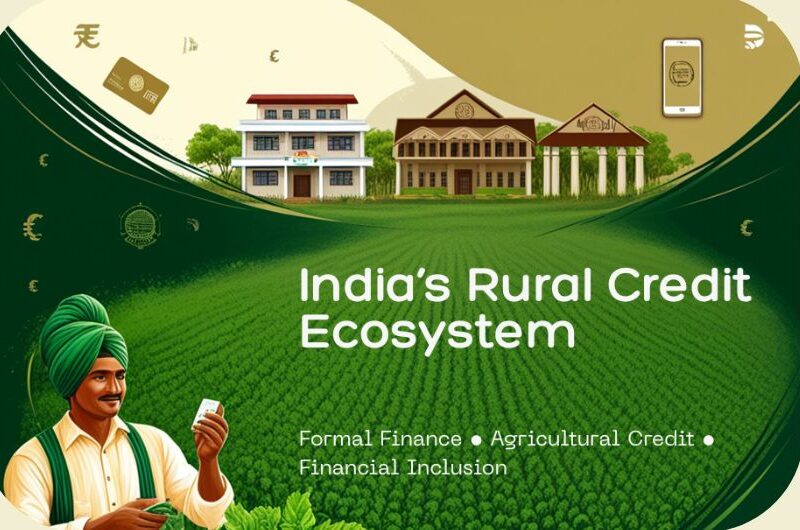
India’s Rural Credit Ecosystem

1. The National Bank for Agriculture and Rural Development (NABARD) is the apex development financial institution for agriculture and rural development in India.

2. According to NABARD’s Rural Economic Conditions and Sentiments Survey (May 2026), about 77.2% of rural households reported higher consumption levels, while around 51% relied exclusively on formal sources of credit.

More Details

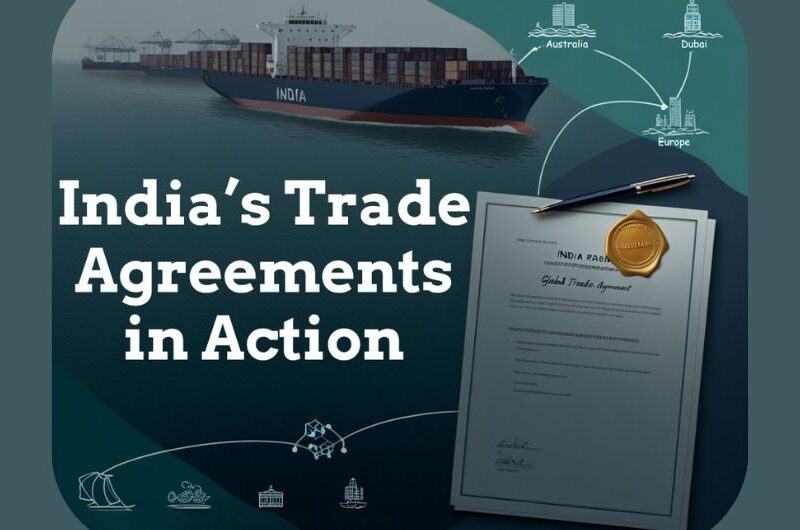
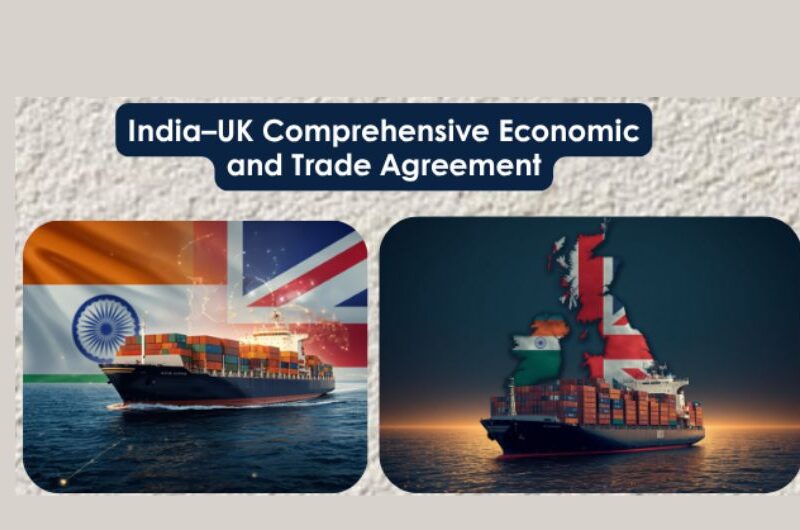
India–UK Comprehensive Economic and Trade Agreement

1. The India–United Kingdom Comprehensive Economic and Trade Agreement (CETA) provides zero-duty access to nearly 99% of India’s exports, covering almost the entire value of bilateral merchandise trade.

2. Merchandise trade between India and the United Kingdom reached USD 25.12 billion in 2025–26, with India recording a trade surplus of USD 1.76 billion.

More Details

Agricultural Mechanization in India

1. The Sub-Mission on Agricultural Mechanization (SMAM) was launched in 2014–15 as a Centrally Sponsored Scheme under the Rashtriya Krishi Vikas Yojana (RKVY).

2. SMAM aims to promote farm mechanization among small and marginal farmers, women, Scheduled Castes (SC), Scheduled Tribes (ST), Farmer Producer Organizations (FPOs), Self-Help Groups (SHGs), and rural entrepreneurs.

More Details

De-Dollarisation and the Global Financial Order

1. De-dollarisation refers to the process by which countries reduce their dependence on the United States Dollar (USD) in international trade, reserves, and financial transactions.

2. The US Dollar functions as a reserve currency, a medium of cross-border exchange, and a unit of account in the global financial system.

More Details

EU Carbon Border Adjustment Mechanism (CBAM)

1. The Carbon Border Adjustment Mechanism (CBAM) is the European Union’s climate-linked trade policy aimed at preventing carbon leakage.

2. Carbon leakage refers to the relocation of production from regions with strict climate policies to countries with weaker emission regulations.

More Details

India’s GST Reform Journey

1. Goods and Services Tax (GST) was launched on 1 July 2017, replacing multiple indirect taxes with a unified tax system based on the principle of “One Nation, One Tax.”

2. GST subsumed 17 different taxes and 13 cesses into a common indirect tax framework.

More Details

India’s Tourism Transformation

1. Between 2014 and 2025, India recorded 181.25 million International Arrivals (IAs) and 93.35 million Foreign Tourist Arrivals (FTAs).

2. International Arrivals (IAs) include both foreign nationals and Non-Resident Indians (NRIs), whereas Foreign Tourist Arrivals (FTAs) include only foreign nationals.

More Details

Free IAS Guidance
Start Your Journey Today 🇮🇳

Fill out the form below, and we will be in touch shortly.