1. The Mecca Joint Defence Agreement (MJDA) was signed on 7 August 2026 by Saudi Arabia, Türkiye and Pakistan.
2. The agreement was signed during the Makkah Joint Defence Summit held at Al-Safa Palace in Mecca, Saudi Arabia.
More DetailsBest UPSC and MPPSC IAS Coaching Classes in Gwalior
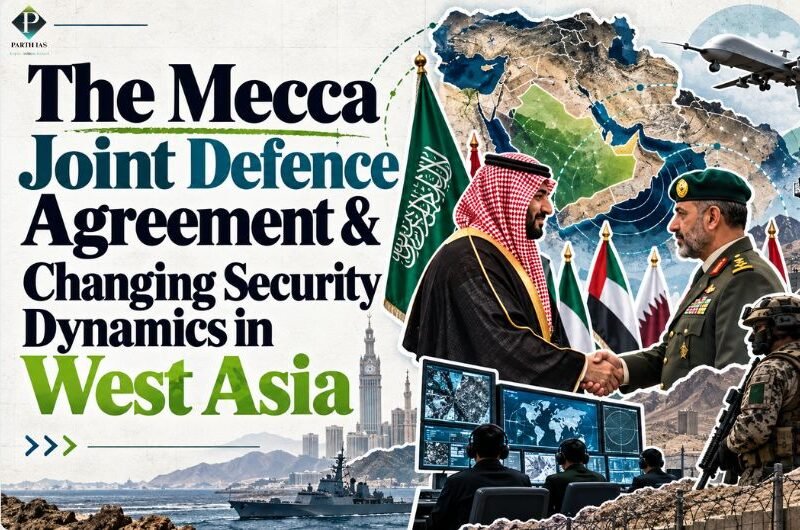
1. The Mecca Joint Defence Agreement (MJDA) was signed on 7 August 2026 by Saudi Arabia, Türkiye and Pakistan.
2. The agreement was signed during the Makkah Joint Defence Summit held at Al-Safa Palace in Mecca, Saudi Arabia.
More Details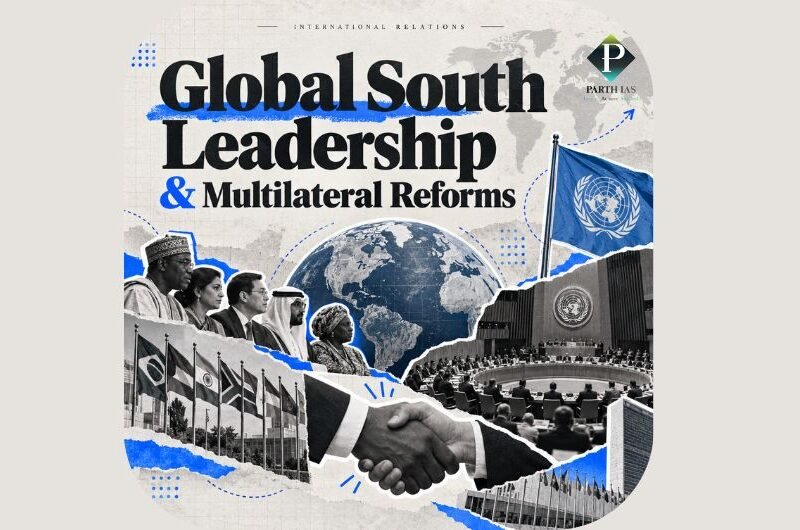
1. India supports the agenda of “Reformed Multilateralism” to make global institutions more representative of present geopolitical and economic realities.
2. India supports reform and expansion of the United Nations Security Council (UNSC).
More Details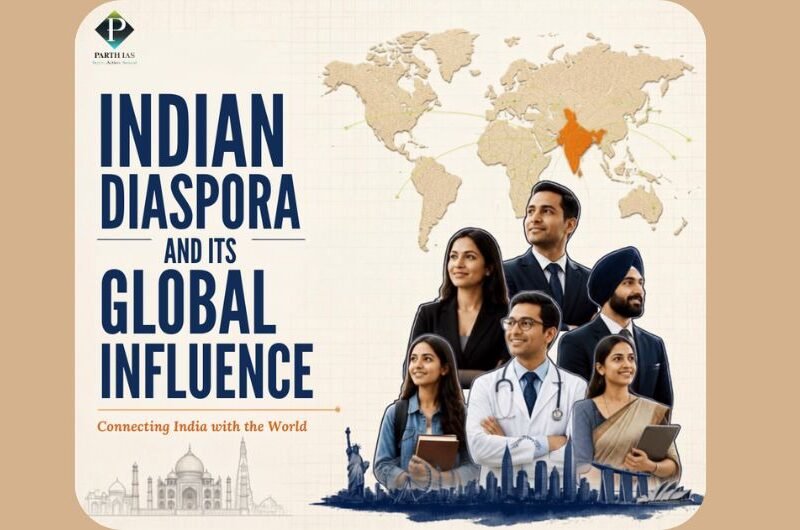
1. The Indian diaspora includes Indian citizens and people of Indian origin living outside India, either temporarily or permanently.
2. India has the world’s largest overseas population, with approximately 35 million people of Indian origin living across more than 200 countries.
More Details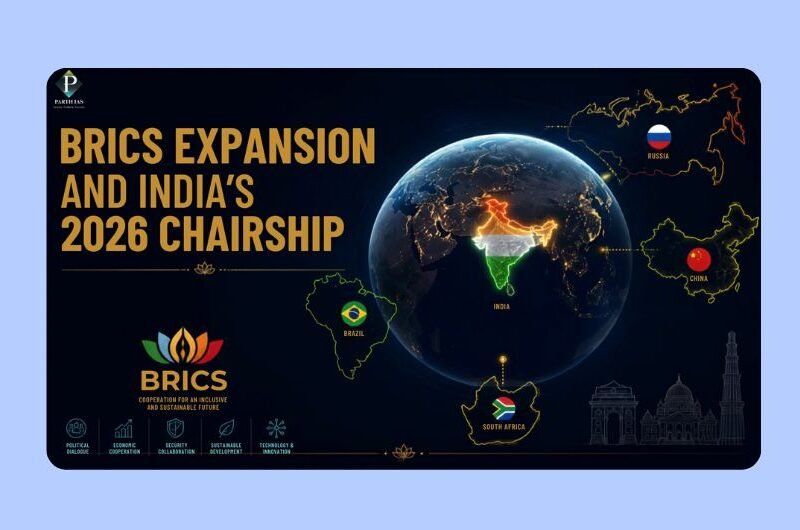
1. The term BRIC was coined by Goldman Sachs in 2001 in its paper titled “The World Needs Better Economic BRICs.”
2. The original BRIC countries were Brazil, Russia, India and China.
More Details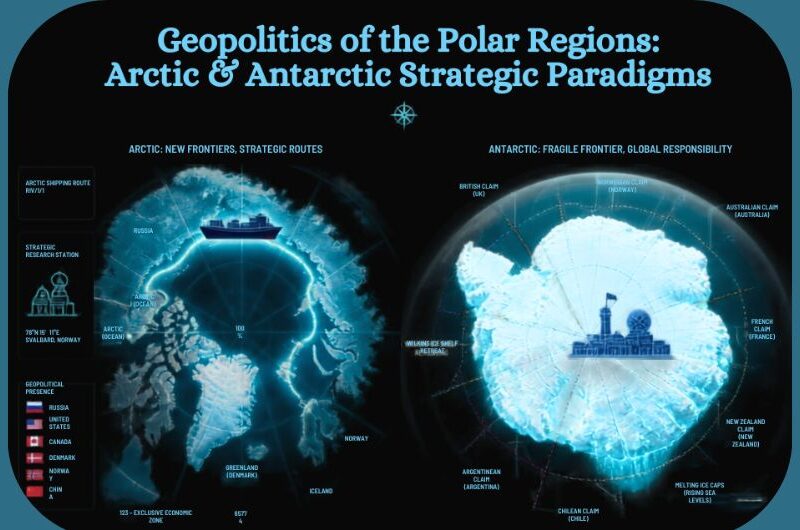
1. Polar geopolitics is becoming more important as climate change melts ice, opens new sea routes and makes resources more accessible.
2. The Arctic is a frozen ocean surrounded by land, while Antarctica is a landmass surrounded by the Southern Ocean.
More Details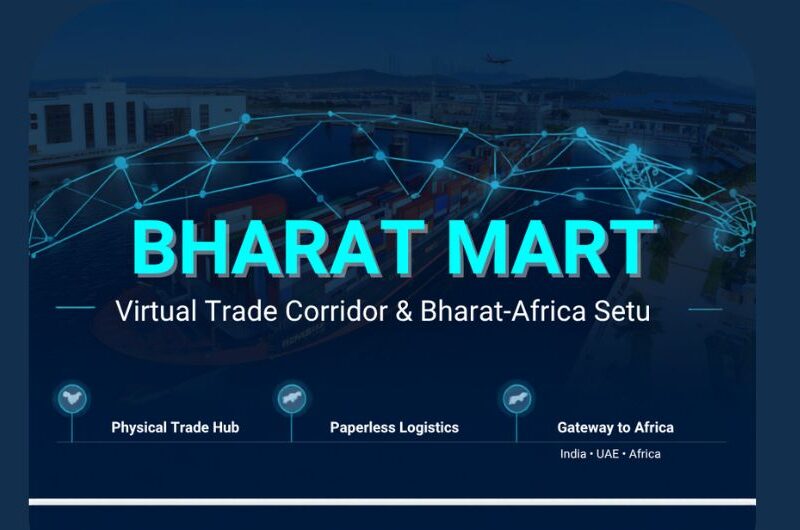
1. Bharat Mart, the Virtual Trade Corridor and Bharat-Africa Setu are connected India–UAE initiatives that combine physical trade infrastructure, digital logistics and access to African markets.
2. These initiatives aim to reduce logistics delays, lower compliance costs and help Indian Micro, Small and Medium Enterprises (MSMEs) enter global supply chains directly.
More Details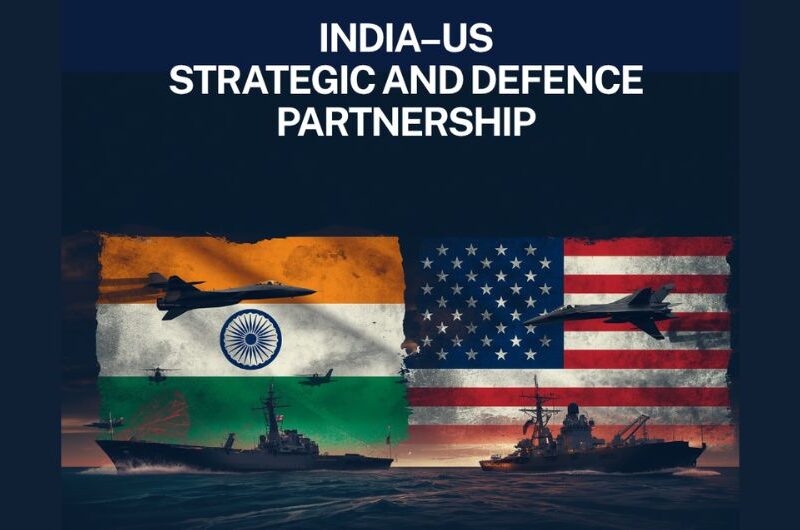
1. India–United States defence relations have developed from Cold War-era hesitation into a broad strategic and defence partnership with growing cooperation in security, technology and industrial production.
2. The partnership is guided by a 10-year India–US Defence Framework for 2025–2035, which provides a roadmap for defence cooperation, technology sharing and military coordination.
More Details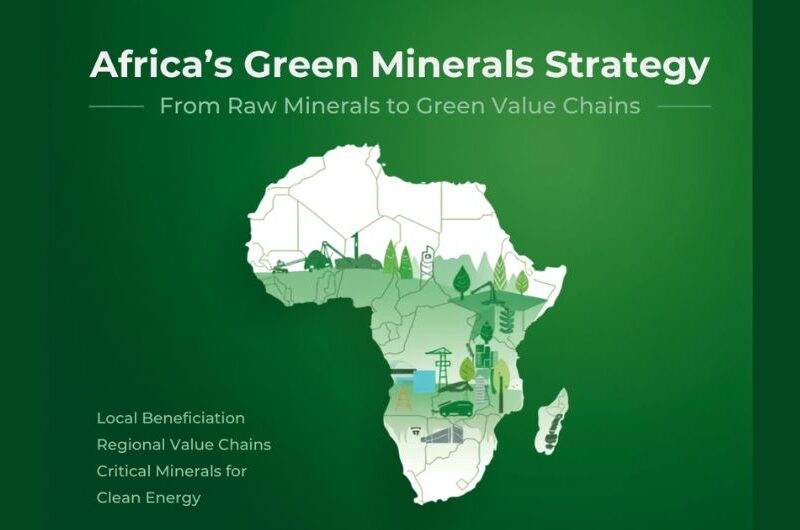
2. The Africa Green Minerals Strategy (AGMS) was adopted by African Heads of State at the 38th Ordinary Session of the African Union Assembly. It aims to transform Africa from an exporter of raw minerals into a hub for mineral beneficiation, green industrialisation and value addition.
2. The strategy focuses on green and critical minerals needed for clean-energy technologies, including lithium, cobalt, nickel, copper, graphite and rare earth elements.
More Details
1. SHANTI was introduced in July 2026 by External Affairs Minister Dr S. Jaishankar as a strategic framework for India’s foreign policy and maritime cooperation.
2. SHANTI stands for Securing Holistic Advancement through Norms, Trust and Integrity.
More Details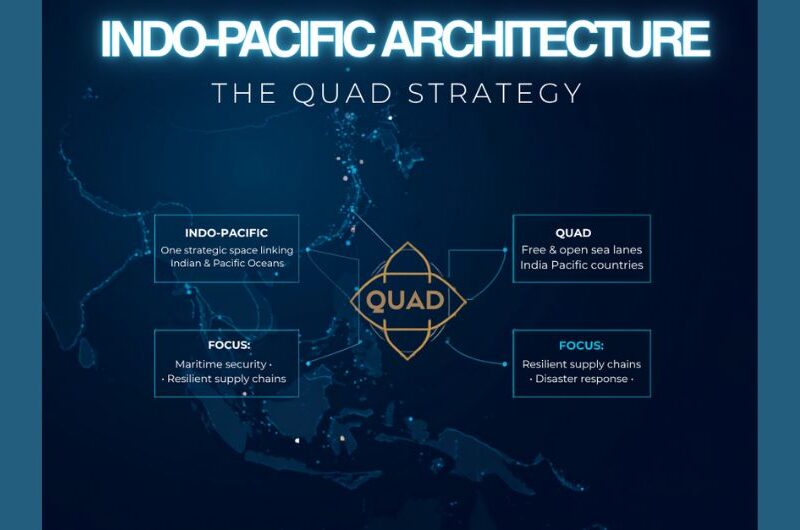
1. Indo-Pacific Strategic Shift
The Indo-Pacific framework combines the Indian Ocean and Pacific Ocean into one strategic space. It has strengthened India’s maritime role alongside its traditional continental focus.
2. Earlier Hub-and-Spoke Model
Earlier regional security was based mainly on bilateral United States alliances with Japan, South Korea and Australia.
More Details