Best UPSC and MPPSC IAS Coaching Classes in Gwalior

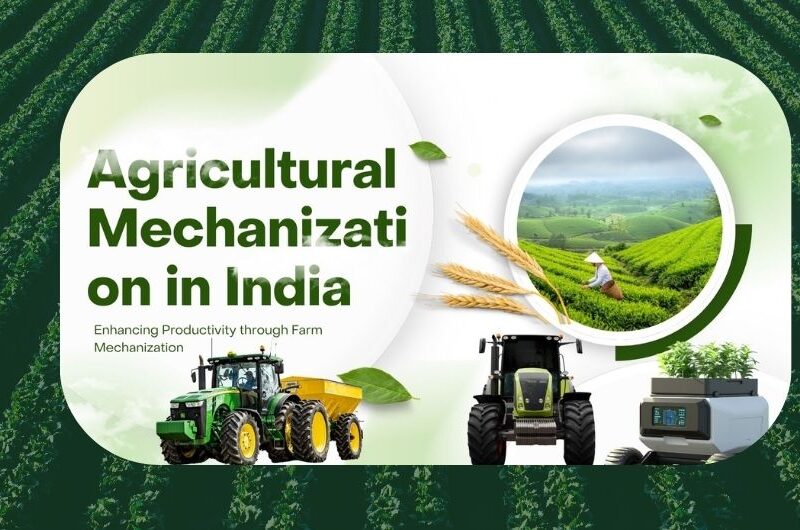
Agricultural Mechanization in India

1. The Sub-Mission on Agricultural Mechanization (SMAM) was launched in 2014–15 as a Centrally Sponsored Scheme under the Rashtriya Krishi Vikas Yojana (RKVY).

2. SMAM aims to promote farm mechanization among small and marginal farmers, women, Scheduled Castes (SC), Scheduled Tribes (ST), Farmer Producer Organizations (FPOs), Self-Help Groups (SHGs), and rural entrepreneurs.

More Details
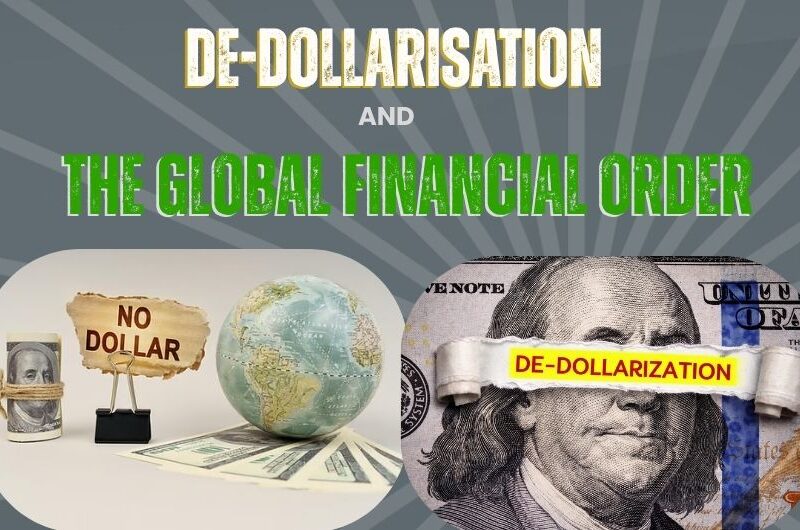
De-Dollarisation and the Global Financial Order

1. De-dollarisation refers to the process by which countries reduce their dependence on the United States Dollar (USD) in international trade, reserves, and financial transactions.

2. The US Dollar functions as a reserve currency, a medium of cross-border exchange, and a unit of account in the global financial system.

More Details

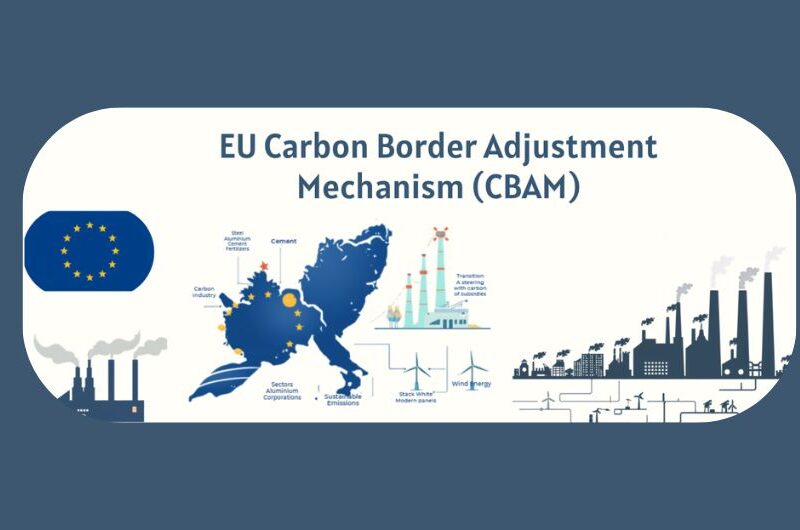
EU Carbon Border Adjustment Mechanism (CBAM)

1. The Carbon Border Adjustment Mechanism (CBAM) is the European Union’s climate-linked trade policy aimed at preventing carbon leakage.

2. Carbon leakage refers to the relocation of production from regions with strict climate policies to countries with weaker emission regulations.

More Details

India’s GST Reform Journey

1. Goods and Services Tax (GST) was launched on 1 July 2017, replacing multiple indirect taxes with a unified tax system based on the principle of “One Nation, One Tax.”

2. GST subsumed 17 different taxes and 13 cesses into a common indirect tax framework.

More Details

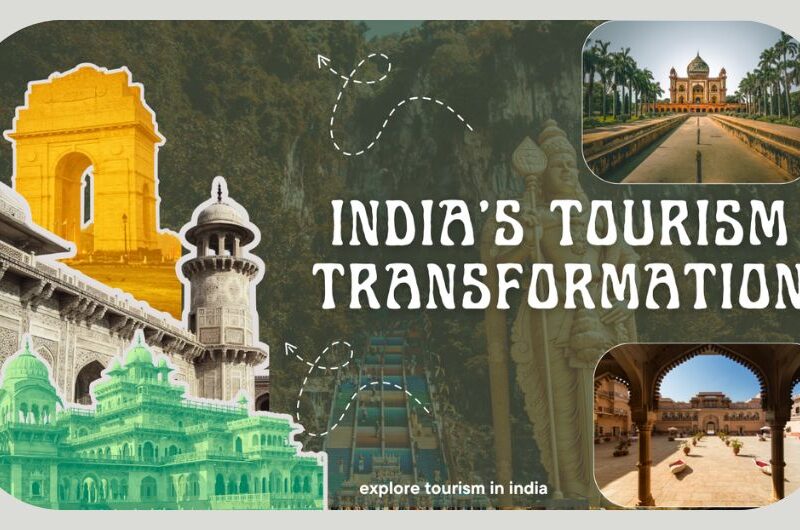
India’s Tourism Transformation

1. Between 2014 and 2025, India recorded 181.25 million International Arrivals (IAs) and 93.35 million Foreign Tourist Arrivals (FTAs).

2. International Arrivals (IAs) include both foreign nationals and Non-Resident Indians (NRIs), whereas Foreign Tourist Arrivals (FTAs) include only foreign nationals.

More Details

India’s MSME Growth Story

1. The definition of Micro, Small and Medium Enterprises (MSMEs) was revised with effect from 1 April 2025 based on investment and annual turnover.

2. As of January 2026, the MSME sector contributes about 31.1% to India’s Gross Domestic Product (GDP), 35.4% to manufacturing output, and 48.58% to exports.

More Details

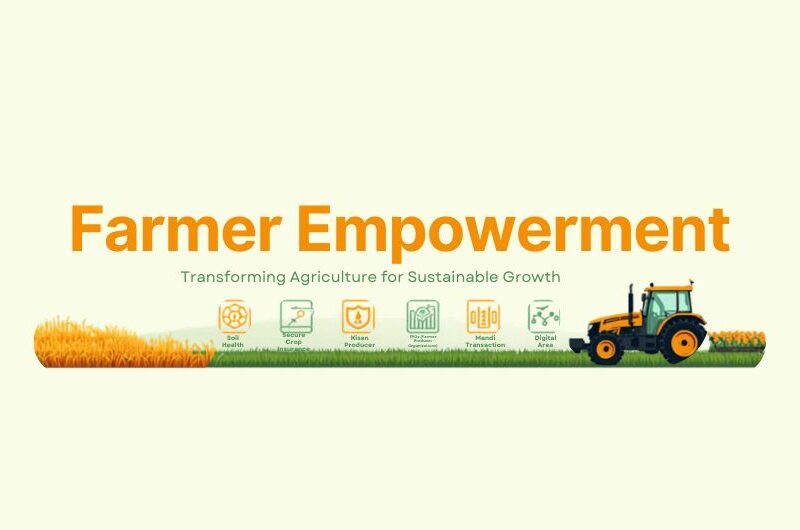
Farmer Empowerment

1. India’s agriculture and allied sector contributes about 18% of the country’s total Gross Value Added (GVA).

2. The GVA of agriculture and allied sectors increased from ₹20.9 lakh crore in 2014–15 to ₹48.7 lakh crore in 2023–24.

More Details

India’s Insolvency and Bankruptcy Framework

1. The Insolvency and Bankruptcy Code (IBC), 2016 established a unified, creditor-driven, and time-bound framework for resolving insolvency in India.

2. Before IBC, insolvency cases were handled under multiple laws such as the Companies Act, SICA, SARFAESI, and debt recovery mechanisms, leading to fragmented proceedings.

More Details

India’s Medical Value Travel Sector

1. The global Medical Value Travel market was valued at about USD 115.6 billion in 2022 and is projected to reach around USD 286.1 billion by 2030.

2. The global Medical Value Travel market is expected to grow at a compound annual growth rate of about 10.8 percent during the period up to 2030.

More Details

Free IAS Guidance
Start Your Journey Today 🇮🇳

Fill out the form below, and we will be in touch shortly.