1. The term BRIC was coined by Goldman Sachs in 2001 in its paper titled “The World Needs Better Economic BRICs.”
2. The original BRIC countries were Brazil, Russia, India and China.
More DetailsBest UPSC and MPPSC IAS Coaching Classes in Gwalior
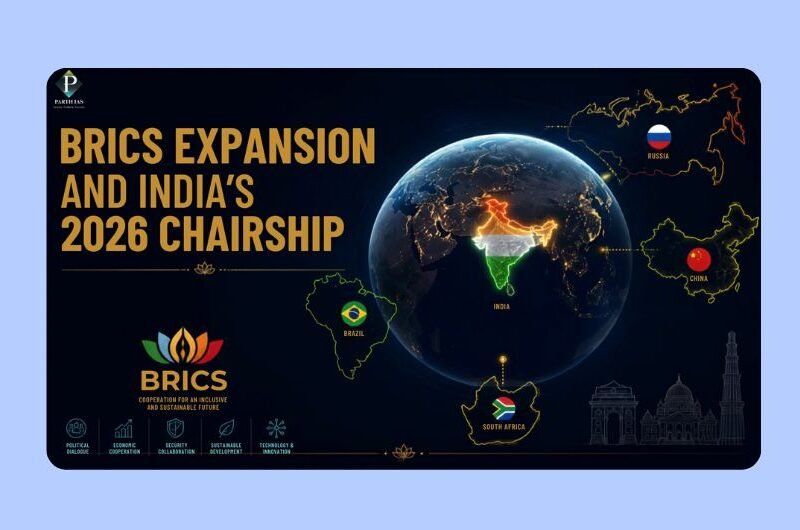
1. The term BRIC was coined by Goldman Sachs in 2001 in its paper titled “The World Needs Better Economic BRICs.”
2. The original BRIC countries were Brazil, Russia, India and China.
More Details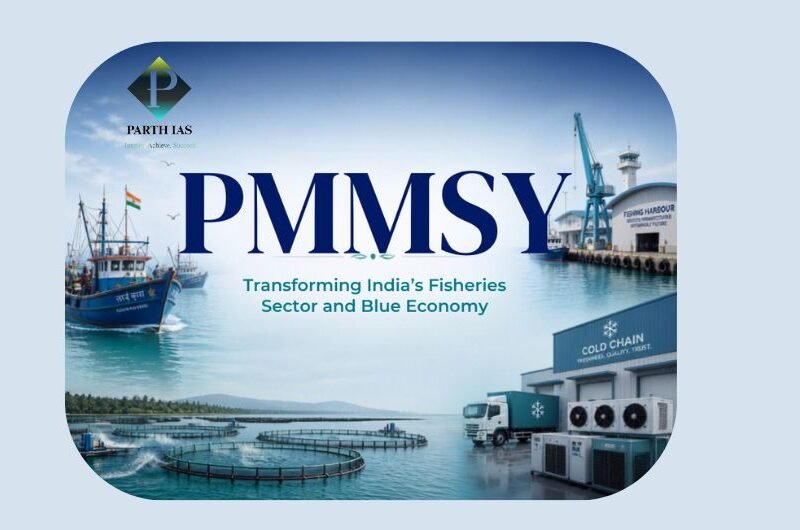
1. Pradhan Mantri Matsya Sampada Yojana (PMMSY) was launched in 2020 to transform India’s fisheries sector.
2. PMMSY is built on the objectives of the Blue Revolution and focuses on production, infrastructure, livelihoods and sustainability.
More Details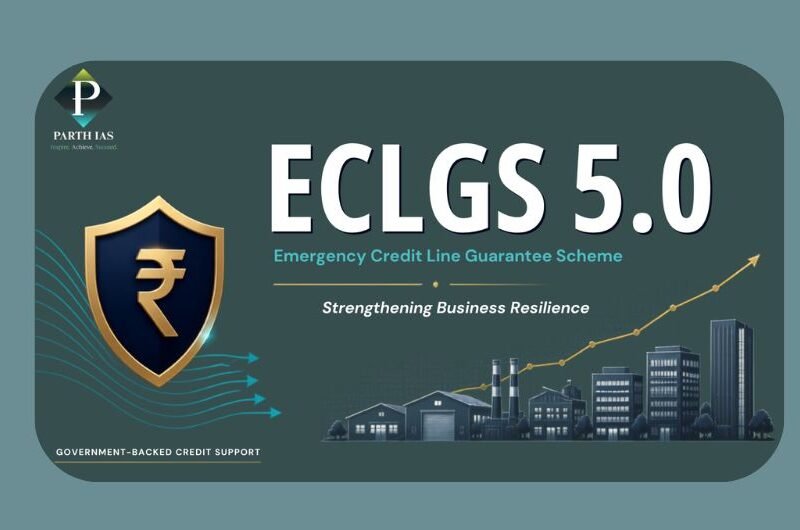
1. The Government approved the Emergency Credit Line Guarantee Scheme (ECLGS) 5.0 on 5 May 2026 to support businesses affected by external economic disruptions.
2. ECLGS 5.0 is implemented by the National Credit Guarantee Trustee Company (NCGTC).
More Details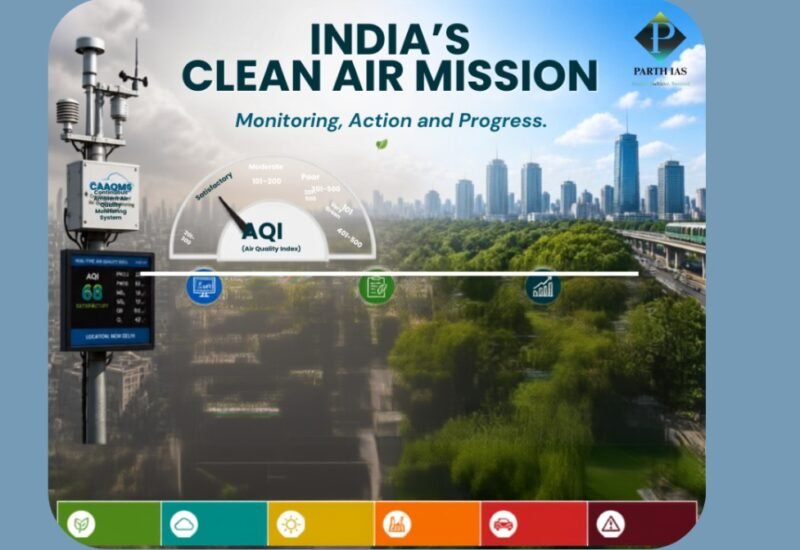
1. The International Day of Clean Air for Blue Skies is observed on 7 September. The United Nations General Assembly designated the day in 2019.
2. India observes the occasion as Swachh Vayu Diwas, linking global clean-air action with national efforts.
More Details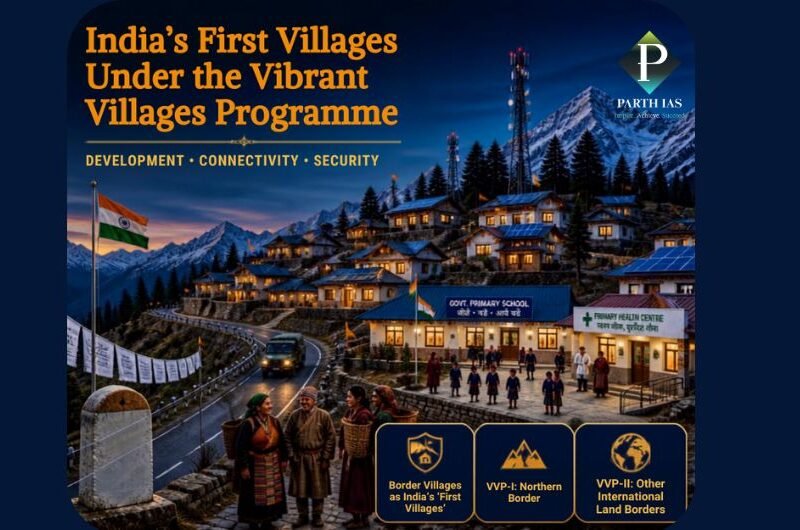
1. India shares over 15,000 km of international land borders with seven neighbouring countries.
2. Bangladesh shares India’s longest land border at 4,096.7 km, followed by China at 3,488 km and Pakistan at 3,323 km.
More Details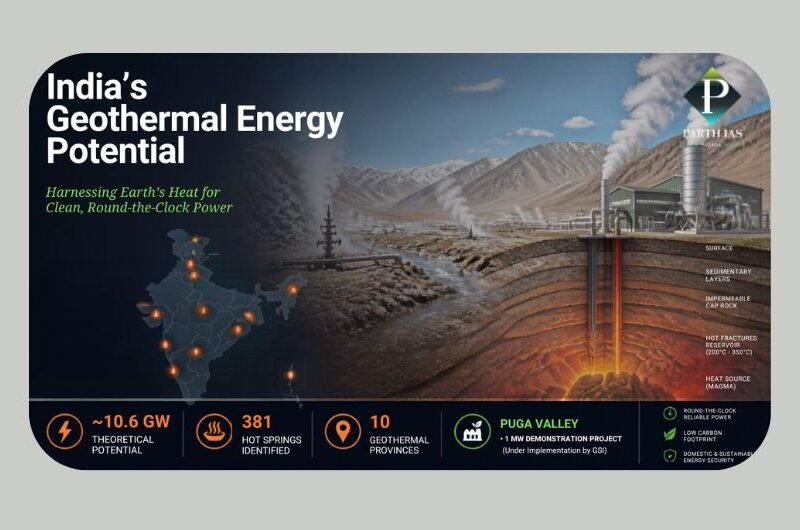
1. Geothermal energy is derived from the Earth’s internal heat and provides a low-carbon, weather-independent source of energy.
2. It can generate round-the-clock electricity and can also be used directly for heating, cooling, agriculture, aquaculture and district-heating applications.
More Details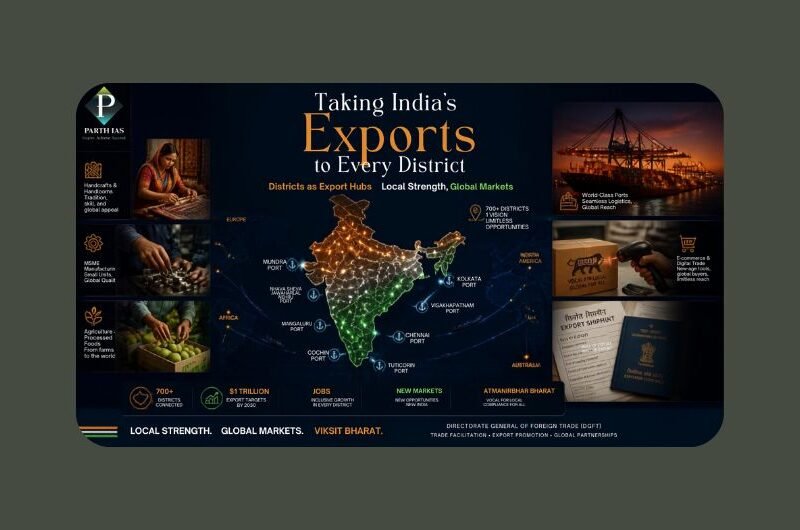
1. India’s total exports of goods and services reached US$825.25 billion in 2024–25 and were estimated at US$863.11 billion in 2025–26.
2. The Districts as Export Hubs (DEH) Initiative treats every district as a unit of export planning by identifying products and services with global-market potential.
More Details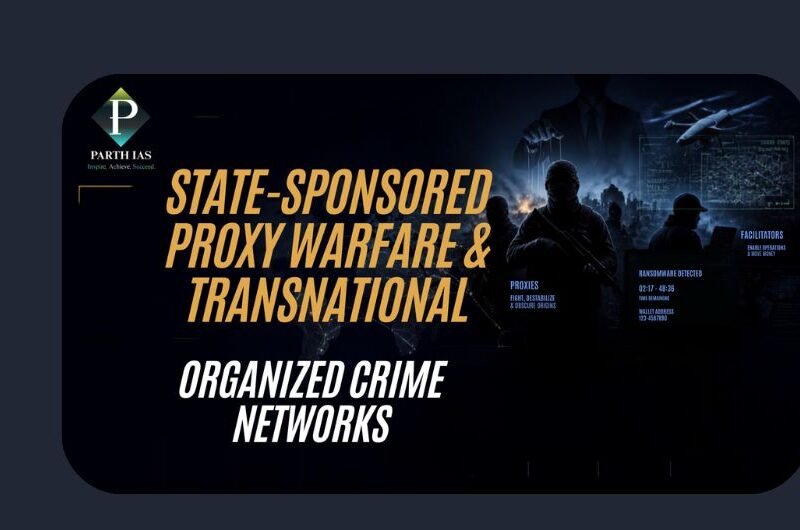
1. State-sponsored proxy warfare uses non-state actors, such as terrorist groups, insurgents or criminal networks, to pursue strategic objectives while maintaining plausible deniability.
2. Transnational Organised Crime (TOC) networks operate across borders through activities such as narcotics trafficking, arms smuggling, money laundering, human trafficking and cybercrime.
More Details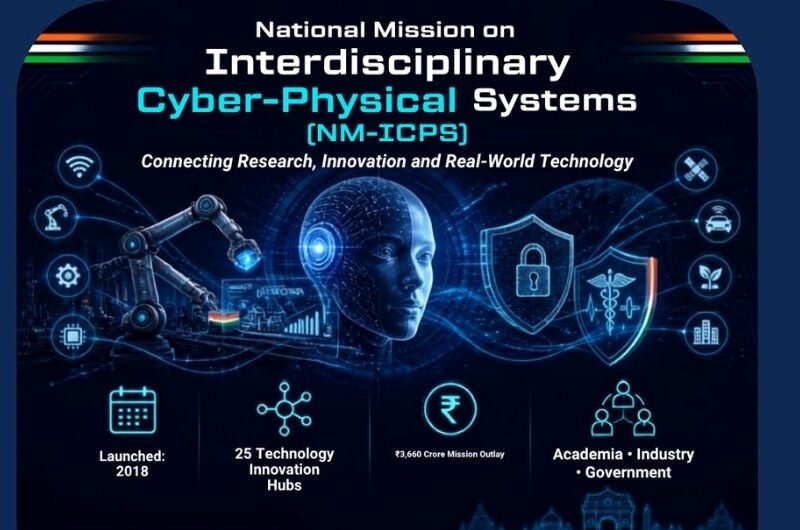
1. Cyber-Physical Systems (CPS) integrate computation, communication networks and physical processes through sensors, software and real-time data exchange.
2. CPS enables machines to sense their surroundings, analyse information and respond automatically to changing physical conditions.
More Details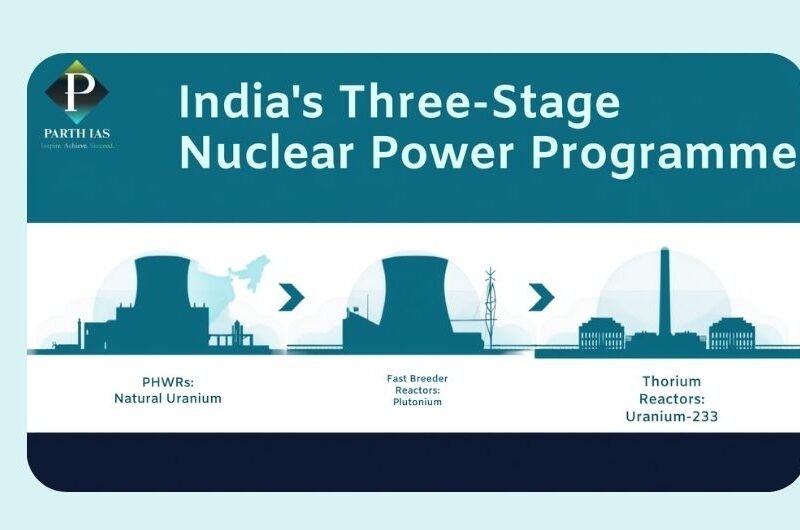
1. India operates 24 nuclear power reactors with a total installed capacity of 8.78 gigawatts (GW).
2. Nine reactor units with a combined capacity of 7.5 GW are under construction.
More Details