1. India’s nuclear power programme began commercial operation with the Tarapur Atomic Power Station in 1969.
2. India operates 24 nuclear power reactors at seven sites, with a total installed capacity of 8.78 gigawatts (GW).
More DetailsBest UPSC and MPPSC IAS Coaching Classes in Gwalior
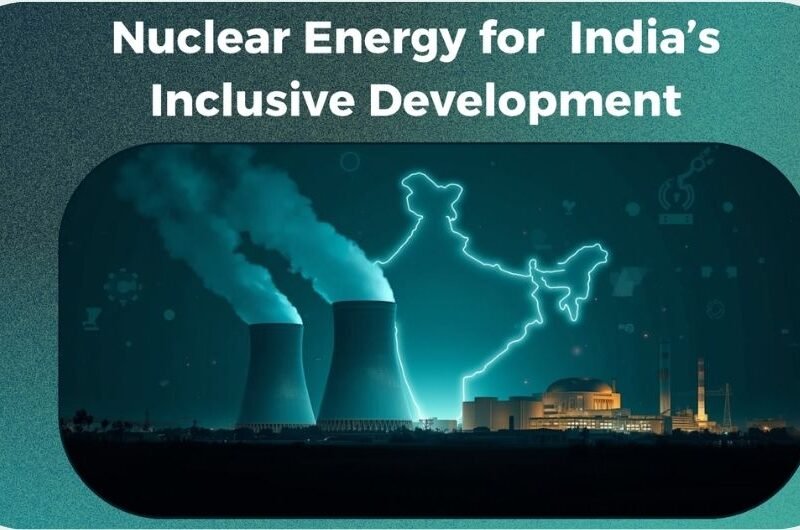
1. India’s nuclear power programme began commercial operation with the Tarapur Atomic Power Station in 1969.
2. India operates 24 nuclear power reactors at seven sites, with a total installed capacity of 8.78 gigawatts (GW).
More Details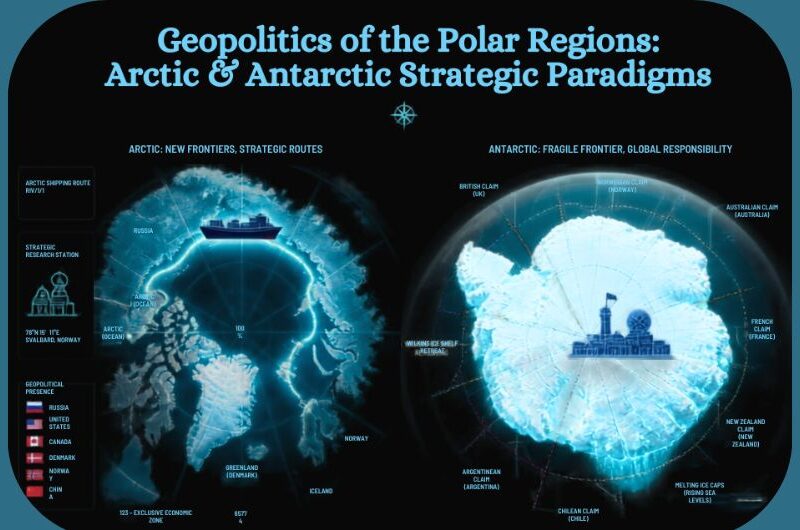
1. Polar geopolitics is becoming more important as climate change melts ice, opens new sea routes and makes resources more accessible.
2. The Arctic is a frozen ocean surrounded by land, while Antarctica is a landmass surrounded by the Southern Ocean.
More Details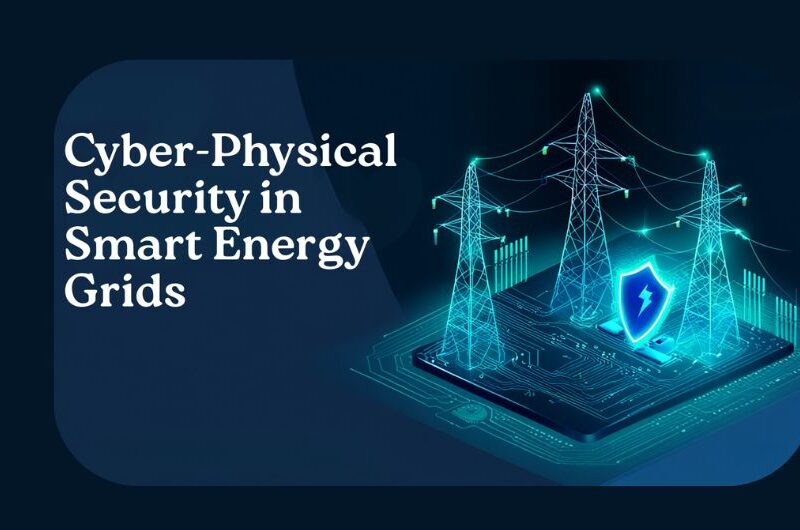
1. A smart energy grid combines physical electricity infrastructure with digital communication and control systems to improve efficiency, reliability and real-time power management.
2. Its physical layer includes power-generation plants, transmission lines, substations, transformers, smart meters and distribution networks.
More Details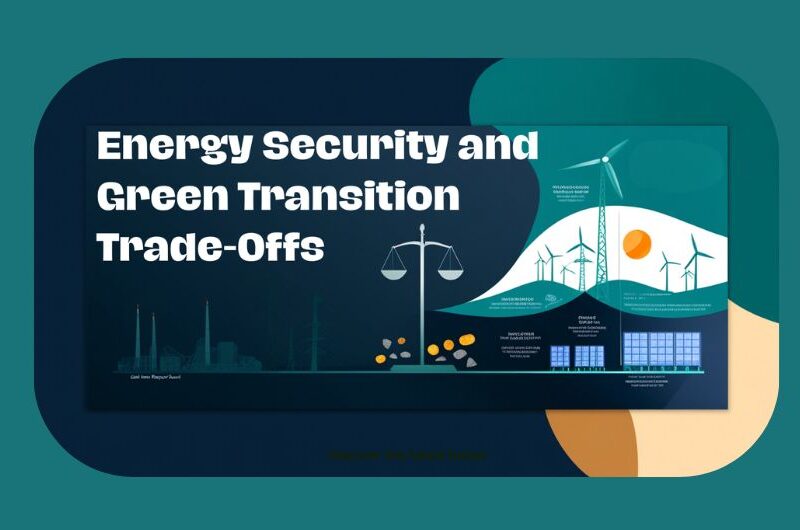
1. India’s energy policy must balance three objectives: environmental sustainability, energy security and affordability. This is often described as the energy trilemma.
2. Environmental sustainability requires a transition towards clean, low-carbon and net-zero energy sources to reduce greenhouse-gas emissions and climate risks.
More Details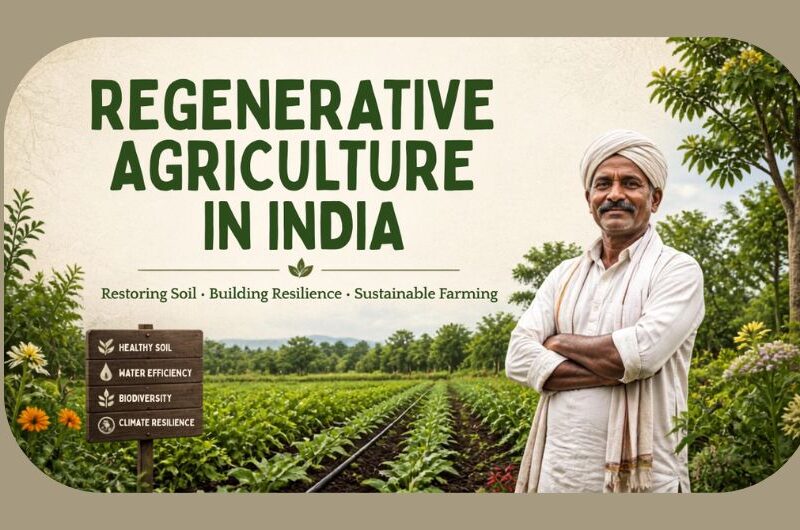
1. India’s agriculture and allied sectors recorded a decadal growth rate of 4.45 percent during Financial Year 2015–16 to Financial Year 2024–25, the highest among recent decades.
2. Regenerative agriculture is a holistic farming approach that seeks to actively restore soil health, enhance biodiversity, improve carbon storage and strengthen resilience against droughts, heatwaves, floods and other climate stresses.
More Details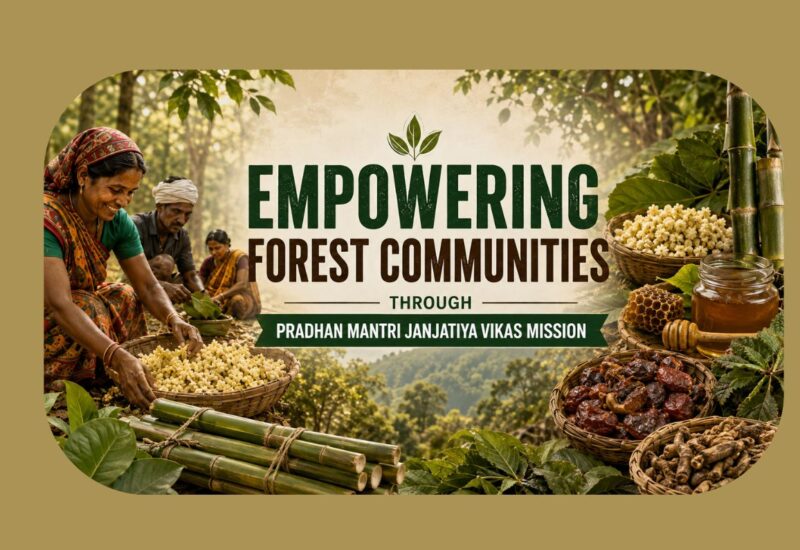
1. India has about 10.4 crore Scheduled Tribe people, and Minor Forest Produce (MFP) contributes nearly 20–40 percent of the annual income of many forest-dwelling tribal families.
2. Important MFP items include honey, tendu leaves, mahua flowers, tamarind, lac, bamboo, wild herbs, wax, medicinal plants, roots, tubers, cane and tussar cocoons.
More Details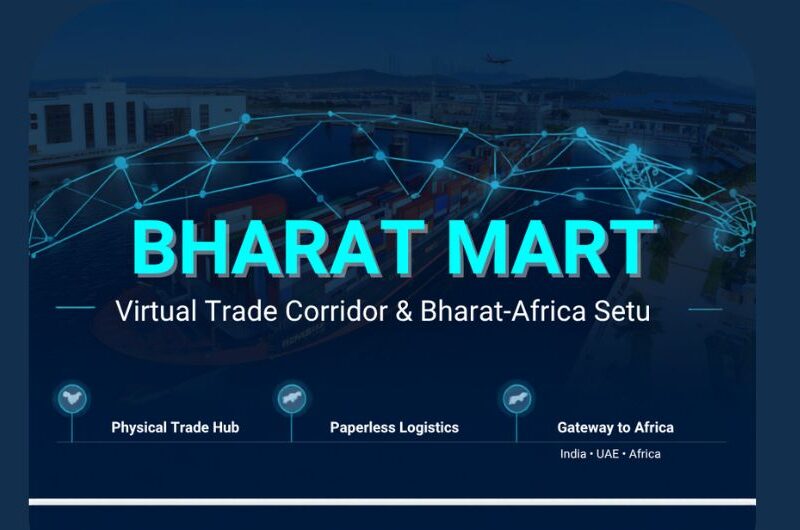
1. Bharat Mart, the Virtual Trade Corridor and Bharat-Africa Setu are connected India–UAE initiatives that combine physical trade infrastructure, digital logistics and access to African markets.
2. These initiatives aim to reduce logistics delays, lower compliance costs and help Indian Micro, Small and Medium Enterprises (MSMEs) enter global supply chains directly.
More Details
1. India is shifting from merely signing Free Trade Agreements (FTAs) to ensuring their effective use by exporters. The focus is on increasing exports, investment, employment, product diversification and market access while protecting sensitive domestic sectors.
2. In Financial Year (FY) 2025–26, India’s combined merchandise and services exports reached a record US$ 863.1 billion. Merchandise exports were US$ 441.8 billion, while services exports were US$ 421.3 billion.
More Details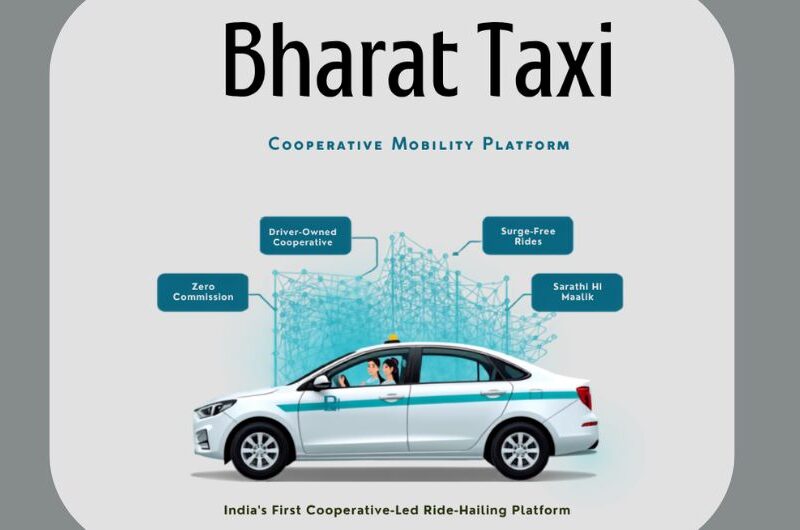
1. Bharat Taxi is India’s first cooperative-led ride-hailing platform, established on 6 June 2025 under the Multi-State Cooperative Societies Act, 2002.
2. It was founded by eight national cooperative institutions: National Cooperative Development Corporation (NCDC), Indian Farmers Fertiliser Cooperative Limited (IFFCO), National Bank for Agriculture and Rural Development (NABARD), Krishak Bharati Cooperative Limited (KRIBHCO), Amul, National Agricultural Cooperative Marketing Federation of India Limited (NAFED), National Dairy Development Board (NDDB) and National Cooperative Export Limited (NCEL).
More Details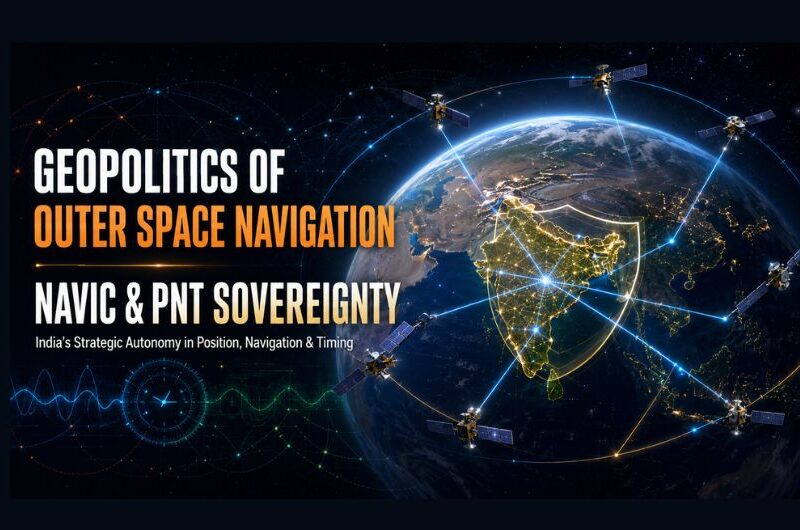
1. Navigation with Indian Constellation, or NavIC, is India’s autonomous regional satellite navigation system. It provides Position, Navigation and Timing services over India and about 1,500 km beyond its borders.
2. NavIC strengthens India’s technological and strategic autonomy because it reduces dependence on foreign satellite-navigation systems for civilian, commercial and military needs.
More Details