Best UPSC and MPPSC IAS Coaching Classes in Gwalior

Integrated Development, Environmental Ethics, and Disaster Governance

1. Panama Canal (1880–1914) and the Industrial Revolution (18th–19th centuries) shortened routes and raised output, yet caused worker deaths, smog, polluted rivers, deforestation, and severe public health crises locally.

2. Colonial rubber, cotton, and mineral extraction across Africa, Asia, and Latin America expanded, driving deforestation, soil exhaustion, displacement, and cultural loss, while assessments and rehabilitation costs were deferred.

More Details
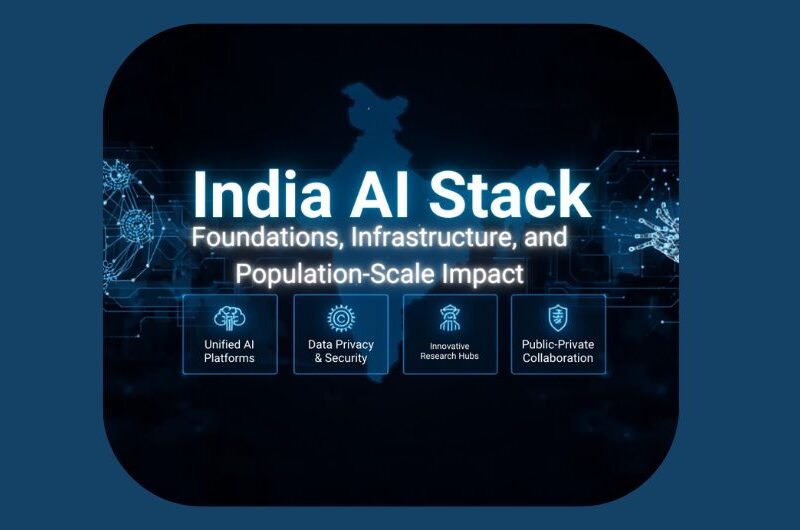
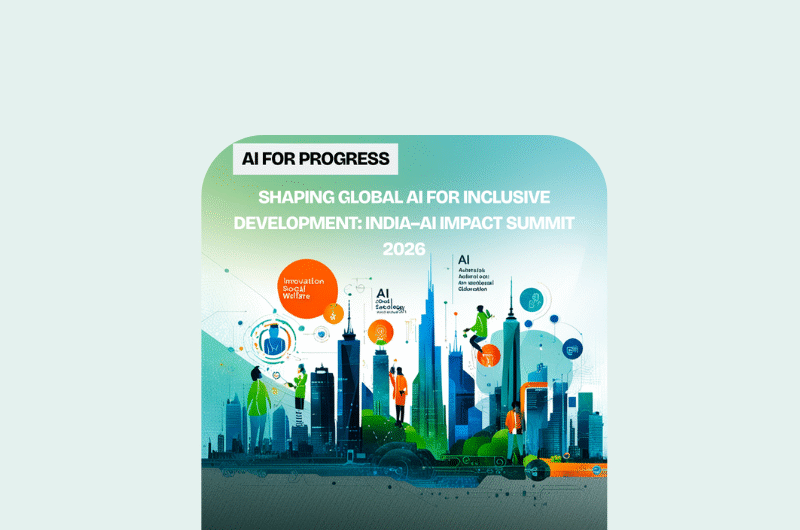
India’s AI Stack: Foundations, Infrastructure, and Population-Scale Impact

1. India’s AI vision emphasises democratisation: AI should benefit every citizen, support public welfare, and remain people centric, enabling “AI for Humanity” rather than limited elite control alone anywhere.

2. India’s AI Stack integrates tools and infrastructure to build, deploy, and operate AI reliably at population scale through five layers: applications, models, compute, data centres, networks, and energy.

More Details

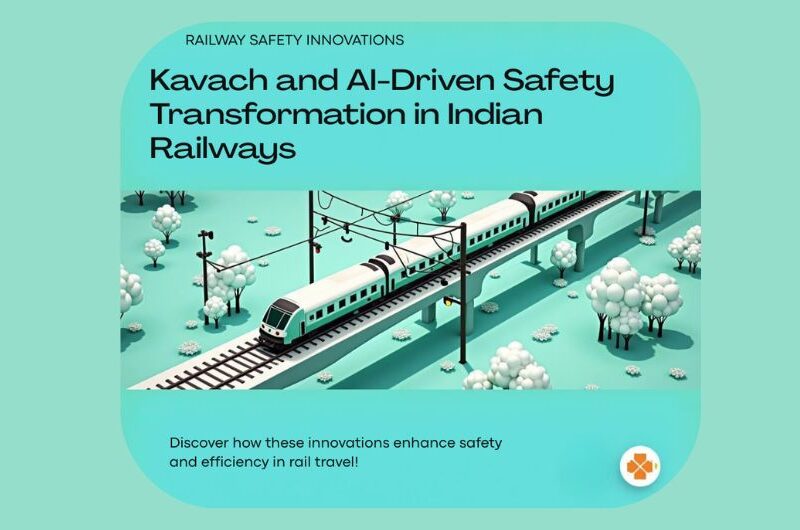
Kavach and AI-Driven Safety Transformation in Indian Railways

1. Kavach is India’s indigenously developed Automatic Train Protection system providing collision prevention, overspeed control, and Signal Passing at Danger protection through continuous monitoring and automatic braking interventions nationwide.

2. Kavach has been implemented on more than 2,200 route kilometres, reflecting large scale deployment of indigenous ATP technology across critical corridors of the Indian Railways network nationwide infrastructure.

More Details

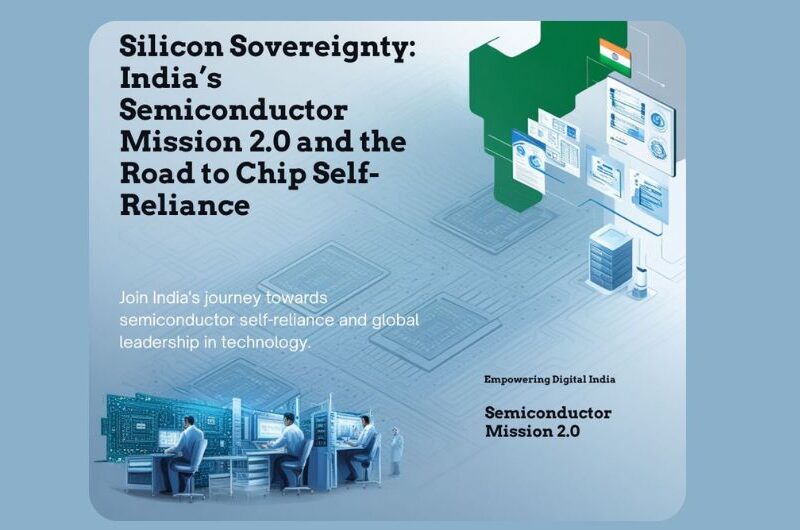
Silicon Sovereignty: India’s Semiconductor Mission 2.0 and the Road to Chip Self-Reliance

1. ISM 2.0 in Budget 2026–27 prioritises domestic semiconductor equipment and materials, full-stack Indian semiconductor IP, and stronger supply chains, backed by ₹1,000 crore for FY 2026–27 allocation nationwide.

2. India’s semiconductor market is estimated at $38 billion in 2023, $45–$50 billion in 2024–25, and projected to reach $100–$110 billion by 2030, driven by demand across value chains.

More Details

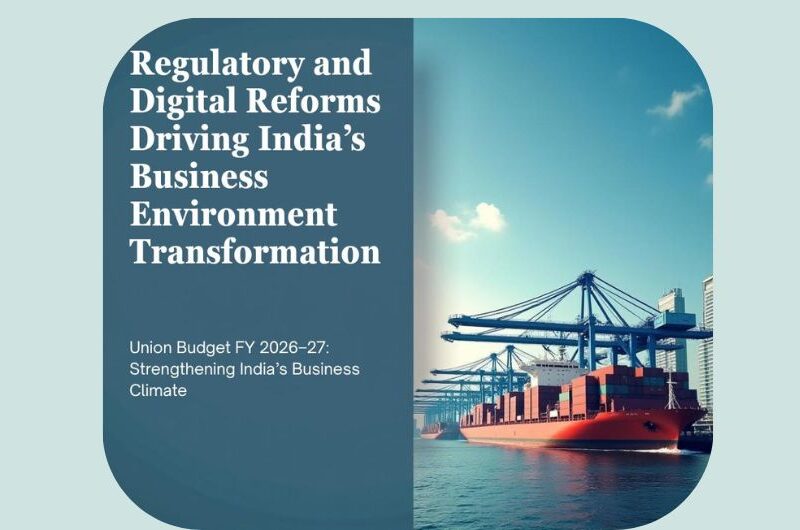
Regulatory and Digital Reforms Driving India’s Business Environment Transformation

1. Union Budget 2026–27 reiterates Ease of Doing Business as a growth pillar, prioritising digitisation, tax certainty, investor access and litigation reduction to strengthen confidence across sectors nationwide.

2. An interconnected single digital window for cargo approvals is proposed, enabling streamlined customs clearances, reduced interface duplication, faster releases, and lower compliance friction for trade participants and paperwork.

More Details

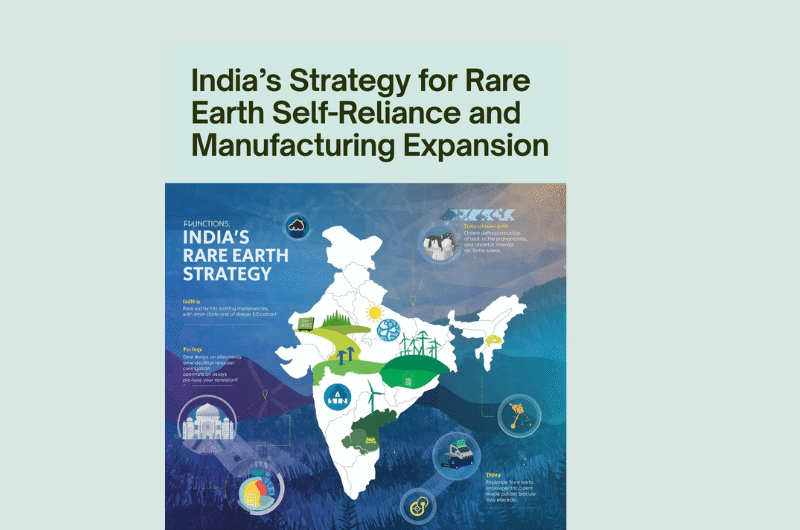
India’s Strategy for Rare Earth Self-Reliance and Manufacturing Expansion

1. Union Budget 2026–27 announced Dedicated Rare Earth Corridors in Odisha, Kerala, Andhra Pradesh and Tamil Nadu, integrating mining, processing, research and REPM manufacturing to expand domestic capacity national.

2. In November 2025, the government approved a ₹7,280 crore REPM Manufacturing Scheme to create an end-to-end domestic ecosystem from rare-earth oxides to finished magnets ensuring national supply security.

More Details

MISSION ZERO DUMPSITES: DRAP AND LEGACY WASTE REMEDIATION

1. DRAP launched in November 2025 to achieve Lakshya: Zero Dumpsites by October 2026, accelerating scientific remediation of long-standing municipal legacy waste across cities nationwide.

2. India has identified about 2,479 legacy dumpsites with 1,000+ tonnes waste, containing roughly 25 crore metric tonnes spread across nearly 15,000 acres nationwide today.

More Details

Strategic Momentum in India–EU Partnership: Trade, Technology, Security, Connectivity and Mobility

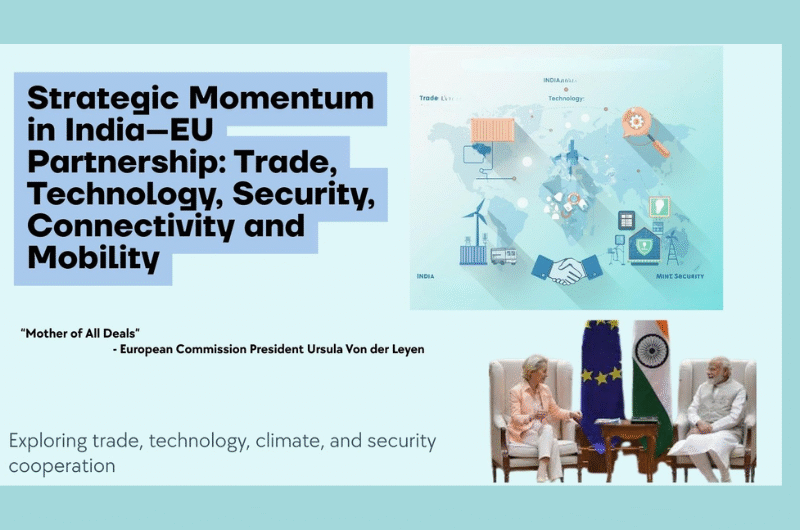
1. India–EU ties gain strategic momentum ahead of New Delhi summit, aiming for a new Joint Strategic Agenda and revival of long-pending Free Trade Agreement negotiations across sectors rapidly.

2. EU became India’s largest goods trading partner, with bilateral merchandise trade about $136 billion in 2024–25, covering machinery, transport equipment, chemicals, metals, mineral products and textiles overall strength.

More Details

C2S Programme: Scaling Indigenous Chip Design Skills, Infrastructure, and Start-up Innovation

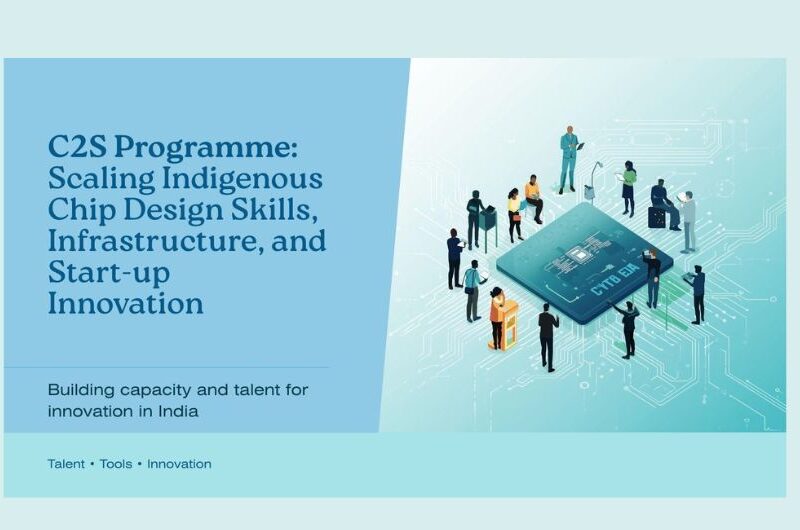
1. Chips to Start-up Programme is a national capacity-building initiative launched in 2022, with ₹250 crore over five years, expanding chip design education, fabrication exposure, and innovation across institutions.

2. It targets creation of 85,000 industry-ready professionals across UG, PG, and PhD levels nationwide, including 200 PhDs, 7,000 VLSI M.Tech, 8,800 allied M.Tech, and 69,000 B.Tech trainees overall.

More Details

Free IAS Guidance
Start Your Journey Today 🇮🇳

Fill out the form below, and we will be in touch shortly.