Women and Child Empowerment in India 1. The Ministry of Women and Child Development anchors a life cycle approach through Saksham Anganwadi and Poshan 2.0, Mission Shakti, and Mission Vatsalya for women and children. 2. Saksham Anganwadi and Poshan 2.0 targets children aged 0 to 6 years, adolescent girls, pregnant women, and lactating mothers through nutrition, care, checkups, and education. 3. Anganwadi Centres provide supplementary nutrition, preschool non formal education, nutrition and health education, while immunisation, health checkups, and referral services are delivered through National Health Mission. 4. Poshan Abhiyaan was launched on 8 March 2018 as the flagship nutrition programme, using convergent service delivery and the Poshan Tracker for beneficiary monitoring. 5. Scheme for Adolescent Girls covers girls aged 14 to 18 years in all Northeastern districts and Aspirational Districts, combining nutrition support with IFA, health education, and skilling. 6. By December 2025, Poshan Bhi Padhai Bhi had trained over 8.55 lakh Anganwadi workers and 41,645 master trainers, with curricula rolled out in 12 regional languages. 7. PM POSHAN provides one hot cooked nutritious meal to students of Classes I to VIII in Government and Government aided schools under the Ministry of Education. 8. Under PMMVY 2.0, effective from 1 April 2022, eligible women receive ₹5,000 in two instalments for the first living child and ₹6,000 for second girl child. 9. India’s Maternal Mortality Ratio declined from 130 per 100,000 live births in 2014 to 16 to 93 in 2019 to 21, according to SRS. 10. Between 2015 and 2023, India’s under five mortality rate fell from 48 to 28, while neonatal mortality declined from 28 to 17 per 1,000. 11. Beti Bachao Beti Padhao, launched on 22 January 2015, improved national Sex Ratio at Birth from 918 in 2014 to 15 to 929 in 2024. 12. In 2024 to 25, ₹28,841.96 lakh was allocated for 3,564 ICT labs and 3,655 smart classrooms across 29 States and Union Territories in KGBVs. 13. Female PhD enrolment increased by 135.6 percent from 2014 to 15 to 2022 to 23, adding 64,724 women researchers in advanced academic study. 14. National Scholarship for Post Graduate Studies, launched in 2023 to 24, offers 10,000 annual slots, with 30 percent reserved for women and ₹1,50,000 yearly support. 15. NAVYA, launched on 24 June 2025, targets girls aged 16 to 18 years; by December 2025, 1,295 girls were enrolled and 671 trained. Must Know Terms : 1. Samarthya Samarthya is the empowerment focused sub scheme under Mission Shakti. It supports women’s long term independence through service and care mechanisms. Its key components include Shakti Sadan for shelter and rehabilitation, Sakhi Niwas for working women’s accommodation, Palna for daycare support, and SANKALP Hub for Empowerment of Women for convergence, skilling, capacity building, and livelihood access across institutional systems. 2. Sambal Sambal is the safety and security focused sub scheme under Mission Shakti. It includes One Stop Centres, Women Helpline 181, and Nari Adalat. One Stop Centres provide emergency medical aid, legal counselling, police assistance, psycho social support, and shelter referral for women facing violence. Women Helpline works as a 24×7 toll free crisis response mechanism linked to immediate support services and institutions. 3. SUMAN SUMAN stands for Surakshit Matritva Aashwasan. It was launched in 2019 to unify maternal and neonatal health services under one umbrella. It brings together existing schemes to provide service assurance for pregnant women and newborns. It works within the National Health Mission framework alongside Janani Suraksha Yojana and Janani Shishu Suraksha Karyakram, strengthening safer deliveries and reducing maternal and neonatal risks nationally. 4. NAVYA NAVYA was launched on 24 June 2025 by the Ministry of Women and Child Development and the Ministry of Skill Development and Entrepreneurship. It targets girls aged 16 to 18 years with at least Class 10 qualification under PMKVY 4.0. It began in 27 Aspirational and North Eastern districts across 19 states. By December 2025, 1,295 girls enrolled and 671 completed training. 5. Aadharshila Aadharshila is the curriculum designed for children aged 0 to 3 years under Poshan Bhi Padhai Bhi. It was rolled out nationwide along with Navchetana as part of the effort to convert Anganwadi Centres into joyful early learning hubs. By December 2025, over 8.55 lakh Anganwadi workers and 41,645 master trainers had been trained, with curricula introduced in 12 regional languages nationwide. 6. Navchetana Navchetana is the curriculum designed for children aged 3 to 6 years under Poshan Bhi Padhai Bhi. It supports early learning at Anganwadi Centres through play based educational methods aligned with NEP 2020 recommendations on Early Childhood Care and Education. By December 2025, it had been rolled out nationwide in 12 regional languages after large scale training of Anganwadi workers and master trainers. MCQ : 1. Which of the following umbrella programmes together reflect the life cycle approach for women and children described here? A) Mission Shakti, Mission Vatsalya, and Saksham Anganwadi and Poshan 2.0 B) Mission Indradhanush, PM POSHAN, and DigiLocker C) PMMVY, KGBV, and PM GatiShakti D) Samagra Shiksha, DIKSHA, and UPI 2. Saksham Anganwadi and Poshan 2.0 is targeted at: A) only pregnant women and lactating mothers B) children aged 6 to 14 years only C) children aged 0 to 6 years, adolescent girls, pregnant women, and lactating mothers D) only adolescent girls in urban areas 3. Which among the following services at Anganwadi Centres are delivered through the National Health Mission and public health infrastructure? A) Supplementary nutrition, pre-school education, and Poshan Vatika development B) Immunisation, health check-ups, and referral services C) Nutrition and health education, skilling, and play-based learning D) Supplementary nutrition, referral services, and pre-school education 4. Poshan Abhiyaan was launched on: A) 22 January 2015 B) 1 April 2022 C) 8 March 2018 D) 24 June 2025 5. The Scheme for Adolescent Girls, as described, covers: A) girls aged 10 to 14 years in all districts B) girls aged 14 to 18 years in all Northeastern districts and Aspirational Districts C) girls aged 14 to 21 years only in urban districts
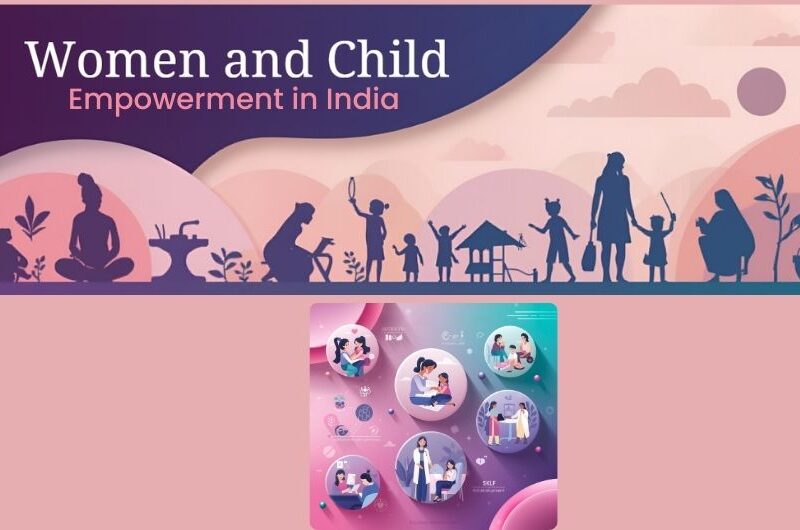
More Details