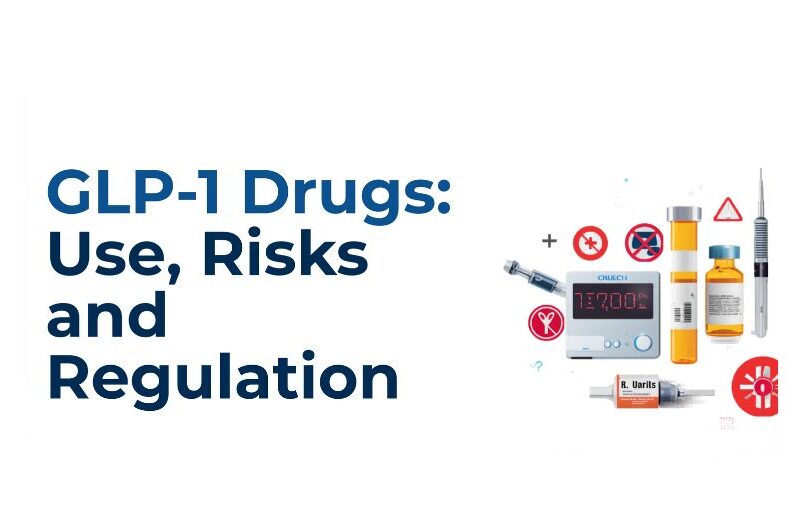
GLP-1 Drugs: Use, Risks and Regulation
1. GLP-1 drugs are glucagon-like peptide-1 (GLP-1) receptor agonists used for treatment of type 2 diabetes and obesity by stimulating insulin release and suppressing excess glucagon.
2. These drugs slow gastric emptying, increase the feeling of fullness, reduce appetite, and thereby contribute to weight loss in patients using them.
3. In type 2 diabetes, the body develops insulin resistance, the pancreas may produce insufficient insulin, and glucagon continues to raise blood sugar levels.
4. Type 1 diabetes is marked by deficient insulin production and requires lifelong daily insulin, whereas type 2 diabetes is linked with obesity, family history, and low physical activity.
5. Obesity is defined here as body mass index (BMI) equal to or above 25 kg/m², while overweight is defined as body mass index (BMI) from 23.00 to 24.99 kg/m².
6. Abdominal fat particularly increases the risk of insulin resistance, and obesity is also associated with cardiovascular disease and certain cancers.
7. The digestive process activates natural glucagon-like peptide-1 (GLP-1), which triggers insulin release from the pancreas and suppresses glucagon to help normalize blood glucose levels.
8. Glucagon-like peptide-1 (GLP-1) agonist medications mimic this hormone for longer duration, helping move glucose from blood into cells and reducing further glucose release from the liver.
9. Glucagon-like peptide-1 (GLP-1) medicines currently available include semaglutide injection, semaglutide tablets, liraglutide, tirzepatide, dulaglutide, exenatide, and exenatide extended release.
10. Most glucagon-like peptide-1 (GLP-1) medicines are administered through pre-filled injection pens, though oral semaglutide is available in tablet form.
11. Misuse of glucagon-like peptide-1 (GLP-1) drugs without clinical supervision can lead to serious complications, and side effects may range from nausea and dizziness to pancreatitis and medullary thyroid cancer.
12. Indian regulators have raised concern over on-demand availability of glucagon-like peptide-1 (GLP-1) drugs through retail pharmacies, online platforms, wholesalers, and wellness clinics.
13. In India, these drugs can be prescribed only by endocrinologists, internal medicine specialists, and cardiologists.
14. On 10 March 2026, a comprehensive advisory was issued to all manufacturers to stop misleading advertisements and promotion encouraging non-prescription use of glucagon-like peptide-1 (GLP-1) drugs.
15. Recent nationwide enforcement action covered 49 businesses, including online pharmacy warehouses, wholesalers, retailers, and weight-loss clinics, with notices issued for unauthorised sale, improper prescription practices, and misleading marketing.
Must Know Terms :
1.GLP-1
Glucagon-like peptide-1 (GLP-1) is a natural hormone activated after food intake. It stimulates insulin release from the pancreas and suppresses glucagon, helping control blood sugar. GLP-1 drugs are receptor agonists designed to mimic this hormone for longer duration. They are used in treatment of type 2 diabetes and obesity because they also slow gastric emptying and reduce appetite.
2. BMI
Body mass index (BMI) is a metric calculated from height and weight to classify body weight status. In this context, obesity is defined as BMI equal to or above 25 kg/m², while overweight is defined as BMI from 23.00 to 24.99 kg/m². Higher BMI, especially when associated with abdominal fat, increases the risk of insulin resistance, diabetes, and cardiovascular disease.
3. Semaglutide
Semaglutide is one of the glucagon-like peptide-1 receptor agonist drugs available for treatment of type 2 diabetes and obesity. It is available in both injection and tablet forms, making it different from many other GLP-1 drugs that are mainly injectable. By slowing gastric emptying and increasing satiety, semaglutide helps regulate blood sugar levels and supports weight loss in patients.
4. Tirzepatide
Tirzepatide is one of the currently available medicines used in treatment of type 2 diabetes and obesity. It is listed among the newer variants of GLP-1-related drugs introduced in the Indian market. Its growing demand has drawn regulatory attention because unauthorised sale, on-demand availability, and unsupervised use through pharmacies, online platforms, and clinics can create serious health risks.
5. Pancreatitis
Pancreatitis is one of the serious complications associated with misuse or unsupervised use of GLP-1 drugs. While some side effects of these medicines are mild, such as nausea and dizziness, pancreatitis represents a much more severe adverse outcome. Because of such risks, regulators have stressed that these drugs should be taken only under strict medical supervision and through prescription-based channels.
6. Drug Controller General of India (DCGI)
Drug Controller General of India (DCGI) is the national drug regulatory authority that intensified surveillance over GLP-1 drugs in India. In collaboration with State Drug Controllers, it issued an advisory on 10 March 2026 to stop misleading advertisements and promotion of non-prescription use. It also oversaw inspections of 49 businesses, including pharmacies, wholesalers, retailers, and weight-loss clinics.
Key Takeaways
a) GLP-1 (Glucagon-Like Peptide-1 agonist) drugs are prescription medications used to treat type 2 diabetes and obesity but carry serious side effects and must only be taken under the supervision of a qualified medical specialist.
b) In India, GLP-1 drugs can only be prescribed by endocrinologists, internal medicine specialists, and cardiologists – they cannot be purchased over the counter.
c) Drug Controller General of India, in collaboration with State Drug Controllers, has intensified regulatory surveillance, conducting inspections and warning that non-compliance will result in licence cancellation, fines, and legal action.
MCQ :
1. GLP-1 drugs are best described as:
A) glucagon-like peptide-1 receptor agonists
B) insulin receptor blockers
C) sodium-glucose transport inhibitors
D) pancreatic enzyme suppressors
2. GLP-1 drugs help reduce body weight mainly because they:
A) increase fat absorption
B) raise glucagon secretion
C) slow gastric emptying and reduce appetite
D) stimulate rapid sugar breakdown in muscles
3. In type 2 diabetes, one major problem is that:
A) glucagon production stops completely
B) body cells become resistant to insulin
C) insulin becomes permanently toxic
D) the pancreas produces only glucagon
4. Type 1 diabetes is characterised by:
A) lifelong daily insulin requirement
B) obesity as the defining feature
C) reversal through exercise alone
D) excess insulin production by the pancreas
5. In this classification, obesity is defined as body mass index equal to or above:
A) 23 kg/m²
B) 24.99 kg/m²
C) 25 kg/m²
D) 30 kg/m²
6. Overweight in this classification refers to body mass index in the range of:
A) 20.00 to 22.99 kg/m²
B) 23.00 to 24.99 kg/m²
C) 25.00 to 29.99 kg/m²
D) 18.50 to 24.99 kg/m²
7. Natural GLP-1 helps control blood sugar by:
A) suppressing insulin and increasing glucagon
B) stimulating insulin and suppressing glucagon
C) blocking pancreatic function
D) preventing glucose absorption from food completely
8. Which of the following is available in both injection and tablet form?
A) Liraglutide
B) Dulaglutide
C) Exenatide
D) Semaglutide
9. Which of the following is listed among currently available GLP-1-related medicines?
A) Tirzepatide
B) Atorvastatin
C) Amlodipine
D) Metformin only
10. Most GLP-1 medicines are commonly administered through:
A) inhalation devices
B) pre-filled injection pens
C) transdermal patches
D) intravenous drips only
11. A serious complication associated with misuse of GLP-1 drugs is:
A) cataract
B) appendicitis
C) pancreatitis
D) tuberculosis
12. Indian regulators raised concern over on-demand availability of GLP-1 drugs through:
A) libraries and schools
B) export terminals only
C) blood banks
D) retail pharmacies, online platforms, wholesalers, and wellness clinics
13. In India, GLP-1 drugs can be prescribed only by:
A) all registered pharmacists
B) only surgeons
C) endocrinologists, internal medicine specialists, and cardiologists
D) nutritionists and fitness trainers
14. A comprehensive advisory to stop misleading advertisements and non-prescription promotion of GLP-1 drugs was issued on:
A) 10 March 2026
B) 1 April 2026
C) 10 March 2025
D) 1 January 2026
15. Recent nationwide enforcement action related to GLP-1 drugs covered how many businesses?
A) 29
B) 39
C) 49
D) 59



0 comment